
Fixtures · Lake Havasu City, AZ
Faucet Repair Lake Havasu City: Drips, Leaks and Worn Cartridges
A dripping tap is the most ignored fault in a house and one of the least expensive to put right.
Faucet repair in Lake Havasu City usually comes down to a worn cartridge or seal.
It is also informative. Where it drips from, and whether it does it hot or cold, usually names the part before anyone opens anything.
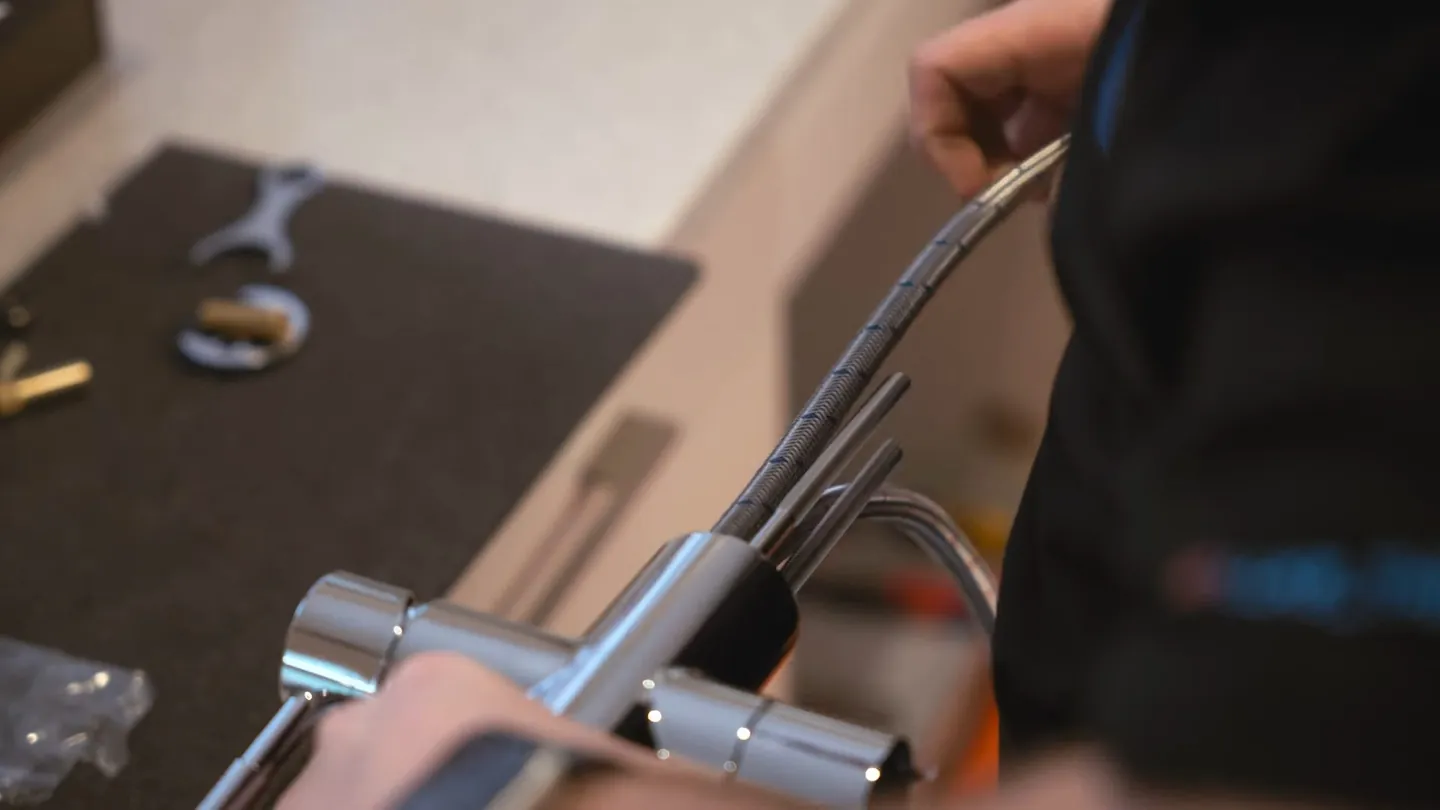
What a dripping spout says about the faucet cartridge
Inside almost every modern tap there is a cartridge, which is the part that actually stops the water. Handles and spouts are the bits you see; the cartridge does the work.
Water dripping from the spout when the handle is closed means the cartridge or its seals are no longer sealing. That is the most common fault in the house and it is a part.
Water appearing around the base of the tap, on the deck of the sink, is a different fault. That is usually the body seal or the O-ring under the handle, and it tends to show only while the tap is running.
If it drips only on hot, or only on cold, that narrows it to one side on a two-handle fixture and is worth mentioning on the phone. It is also the sort of detail that decides whether the right part is on the van.
Why fixtures here wear out ahead of schedule
Cartridges and valve seats are precision parts working to fine tolerances, and Havasu water is hard on exactly that.
City water measures 19 grains of hardness per gallon. Minerals deposit on the moving surfaces inside a cartridge, which is why a tap that was smooth becomes stiff, then starts weeping. The same deposits block aerators, which is the usual reason a tap's flow has quietly halved over a few years.
An aerator is worth checking before you conclude anything is wrong. It unscrews from the end of the spout, and a blocked one looks obviously blocked. Soaking or replacing it is the cheapest repair in plumbing.
Reducing the mineral load that causes all of this is a different purchase, covered on water softeners.
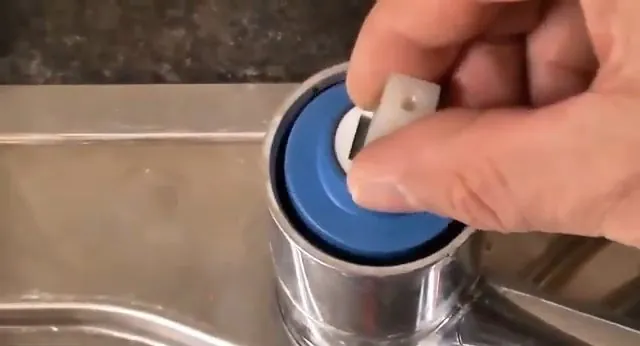
Under the sink, and which fault you have
Cabinet leaks get blamed on the tap by default, and often it is not the tap at all.
| Where the water is | Usually | Scope |
|---|---|---|
| Dripping from the tap tailpiece or supply connection | Supply line or its washer | Small part |
| At the shutoff valve under the sink | The angle stop, often seized or weeping at the packing | Valve replacement |
| Around the sink drain body | Sink flange seal or the drain assembly | Reseal or replace assembly |
| At the trap or the waste connections | Trap washers or a loose connection | Small part |
| From the unit under a kitchen sink | Garbage disposal seal or body | See the disposal page |
| Wet cabinet floor with no obvious source | Often a supply weeping intermittently under pressure | Needs watching under load |
Where a garbage disposal is involved, the diagnosis belongs on garbage disposal repair and installation, which covers the flange, the body and the dishwasher connection in detail.
Shower valves, tub spouts and diverters
A shower that drips after the water is off is the same mechanism as a dripping tap, housed behind a wall.
The cartridge inside a shower valve wears exactly as a tap cartridge does, and hard water accelerates it. Most of these are a cartridge replacement reached through the trim, with no tile disturbed, which is worth knowing before anyone talks about opening a wall.
Water running from the tub spout while the shower is on is a diverter fault rather than a valve fault. Sometimes it is the spout itself, which is a straightforward replacement.
Where this becomes a bigger job is a pan or a wall leak behind the tiling, or a valve body that has to be replaced rather than re-cartridged. That is wet-space work and it is covered on bathroom plumbing. This page owns the fixture and the mechanism; that page owns the room.
Tap dripping, or water in the cabinet?
Call (928) 766-1925Outdoor taps and hose bibs
Easy to ignore because the water goes into the ground, which is exactly why they waste the most.
- A bib that drips with the hose disconnected, which is a washer or seat and a small repair
- A bib that weeps from the handle packing while running, often adjustable rather than replaceable
- A bib that will not shut fully, which is worth doing before any cold snap rather than after
- A wet or green patch near an outdoor tap with the tap closed, which suggests the pipe behind it rather than the tap
- An anti-siphon or vacuum breaker leaking from the top, which is its own small part
The last two are worth acting on. A leak behind the wall at a hose bib goes unseen, and an uninsulated bib left connected is the most common freeze failure here, which the burst pipe page covers.
Fixture installation, and when replacing beats repairing
A repair is usually the proportionate answer, and it is the default here. There are a few cases where it is not.
Parts availability is the main one. Some brands keep cartridges available for decades; others discontinue them quickly, and a tap with no obtainable cartridge is a replacement whether you wanted one or not.
The others are a fixture that has been repaired repeatedly, a body that is corroded rather than worn, and a sink being changed anyway. Installing a new tap onto the sink before the sink goes in is far easier than fitting it afterwards, so sequencing the two together is worth asking about.
If you are choosing a new fixture, ask about cartridge availability before you buy. It is the single thing that decides whether this is a repairable fixture in ten years.
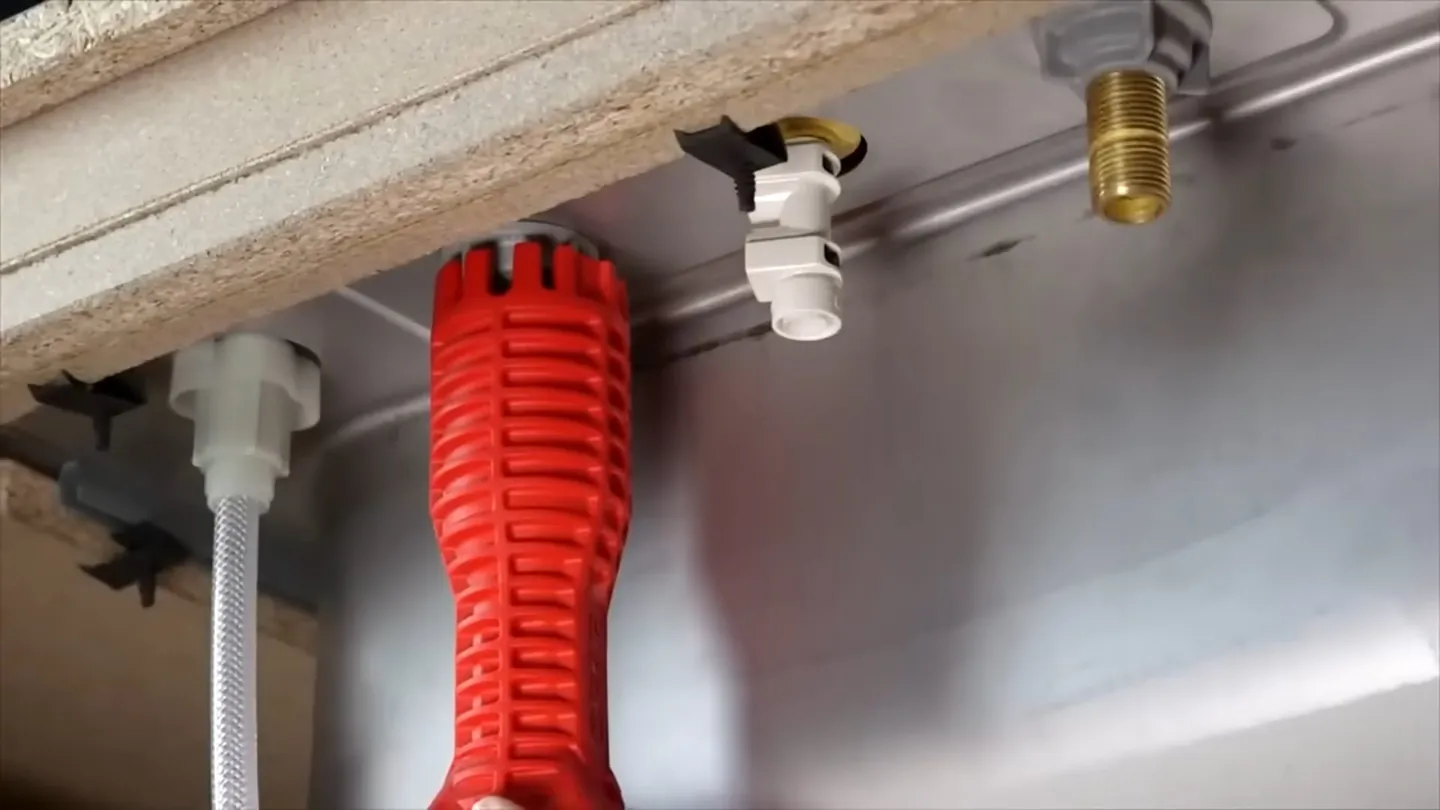
Faucet and sink questions we hear most
Why does my tap still drip after I replaced the washer?
Because most modern taps do not seal with a washer. Inside almost every current fixture there is a cartridge, and that is the part that stops the water. If the drip comes from the spout with the handle closed, the cartridge or its seals are the usual answer rather than anything under the handle.
My tap flow has dropped. Is that a plumbing problem?
Check the aerator first. It unscrews from the end of the spout, and at 19 grains of hardness per gallon mineral deposits block them steadily. A blocked one looks obviously blocked. If the flow is low everywhere in the house rather than at one tap, that is a different question and worth a call.
There is water in the cabinet under my sink. What is leaking?
More things than people expect. The supply connection, the shutoff valve, the sink drain body, the trap, or the disposal if there is one. Where exactly the water sits usually names it. A wet cabinet floor with no obvious source is often a supply weeping only while under pressure.
Does fixing a dripping shower mean opening the wall?
Usually not. A shower that drips after the water is off is normally a worn cartridge, and most are reached through the trim with no tile disturbed. Opening the wall is for a valve body that has to be replaced, or for a leak behind the tiling, which is a different and larger job.
What does a dripping tap actually cost to put right?
Less than people expect, and the component is the smaller half of it. A cartridge or a washer is inexpensive; the cost is the visit, the diagnosis and the testing afterwards. That is why it is worth listing every dripping tap, slow aerator and weeping shutoff in the house when you call, rather than one at a time.
Should I repair my faucet or just replace it?
Repair is usually proportionate. The case for replacing is parts availability, because some brands discontinue cartridges quickly and a tap with no obtainable part is a replacement by default. Also when the body is corroded rather than worn, or the sink is being changed anyway.
Can a plumber fix a leaky faucet?
Yes, and it is usually a short visit. Most leaks come from a worn cartridge, seat or O-ring. You will be told whether the faucet is worth repairing or whether replacing it makes more sense, especially if parts are no longer made.
Most faucet drips are a part and a short visit
Most of these are a part and a short visit, and the diagnosis is usually possible over the phone. Describe which fixture, whether it drips from the spout or weeps at the base, and whether it does it hot, cold or both.