
Leak Detection · Lake Havasu City, AZ
Lake Havasu City AZ Leak Detection: Find the Leak Before Opening a Wall
A leak you can see is a repair. A leak you cannot see is a different problem, because the first job is proving it exists and then finding it.
Leak detection in Lake Havasu City, AZ is about finding the leak without opening more of the home than necessary.
Start with the test below. It costs nothing and it settles the first question in about an hour.
Proving there is a leak, before anyone is paid to look
Do this when nobody needs water for an hour. It is the single most useful hour you can spend on a suspected leak.
- Turn off every tap, appliance and ice maker, and make sure no irrigation cycle is due to start.
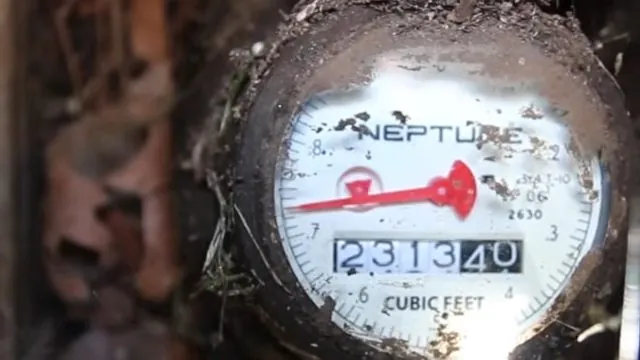
- Find the water meter, usually in a box at the street side of the property, and lift the lid.
- Note the reading exactly, or photograph the dial, including the small sweep hand or leak indicator if there is one.
- Leave everything untouched for an hour, using no water anywhere on the property.
- Read it again. Any movement means water is going somewhere with nothing switched on.
If the indicator is turning while you watch, the loss is substantial. If the reading has crept over the hour, it is smaller but still real. Either way you now have a measurement rather than a worry, and that is where detection should start.
The signs that arrive before any water does
Concealed leaks announce themselves indirectly, and the signals are easy to attribute to something else.
A water bill that rises with no change in how you live is the most reliable one. Pressure that has quietly dropped across the whole house is another. So is the sound of water moving when every tap is closed, which people often hear at night and dismiss.
Then the physical ones. A patch of floor that is warm underfoot. A section of yard that stays green or damp when everything around it is dry, which stands out in a desert climate. Paint or baseboard lifting on one wall. A musty smell in a cupboard against an exterior wall.
Any one of those is worth the meter test. Two together makes it urgent, because the cost of a concealed leak is mostly a function of how long it runs.
Where leaks actually hide here
| Location | Typical sign | Where the repair lives |
|---|---|---|
| Under the slab | Warm floor patch, sound of water, unexplained use | Slab leak detection and repair |
| Inside a wall | Staining, lifting paint, musty smell in a cupboard | Burst and broken pipe repair |
| Irrigation system | Green or soft ground, high use in summer only | Located here, repaired by scope |
| Service line in the yard | Damp strip between meter and house, pressure loss | Located here, repaired by scope |
| Pool or spa plumbing | Level dropping faster than evaporation explains | Located here, repaired by scope |
| Fixture or supply line | Visible once a cabinet is opened | Faucet and sink repair |
How a concealed leak gets located, honestly
There is no single instrument that points at a leak. Detection is a process of narrowing, and knowing that protects you from being oversold one tool.
Isolation comes first and it is the least glamorous part. Shut sections off one at a time and watch the meter, and the leak is placed on a branch before any equipment comes out of the van.
Acoustic equipment listens for the sound a pressurised leak makes through concrete or soil, which is why a quiet house matters during the work. Thermal imaging reads surface temperature differences, so it finds hot water leaks far more readily than cold. Pressure testing isolates a section and proves whether it holds. Tracer gas is sometimes used where nothing else resolves it.
Each narrows the area; none gives a dot on a map. The honest standard to ask for is how tight an area the work should narrow it to, and who pays if the first opening is in the wrong place.
Finding a leak inside a wall or above a ceiling
A leak inside a wall or above a ceiling is the one people discover latest, because the water tracks along framing and surfaces a long way from where it started.
The early tells are a stain that grows slowly, paint or baseboard lifting along one line, a cupboard against an exterior wall that smells musty, or a patch of drywall that sounds different when tapped. A ceiling stain directly below a bathroom is the obvious case; a stain two rooms away from any plumbing is the one that gets misread.
Pinhole leaks in copper are the common cause and they behave distinctively. There is no pressure change and no noise, just a slow weep that marks the drywall over weeks. One pinhole is a repair. Several in the same run over a short period is a different conversation, covered on whole-house repiping.
Locating these is the same narrowing process as anywhere else, with the goal of opening one small area rather than chasing a stain across a ceiling.
Meter moving with everything switched off?
Call (928) 766-1925Irrigation, pools and the service line
Outdoor leaks are the ones most often missed, because nothing inside the house ever looks wrong.
Irrigation is the common culprit. A cracked sprinkler lateral or a failed valve can run for months, and where damp ground is conspicuous the giveaway is a strip or patch that stays green while everything near it does not. Usage that climbs only in summer points the same way.
A pool losing level is normal to a point, because evaporation is real here. The test is comparing the pool's drop against a bucket of water standing on a step. If the pool is dropping faster than the bucket, the loss is plumbing rather than weather.
On a commercial property the same methods apply and the stakes move. A concealed leak under a trading floor or a tenanted unit is measured in disruption as much as in water, so the first question is usually which areas can stay open while the narrowing happens.
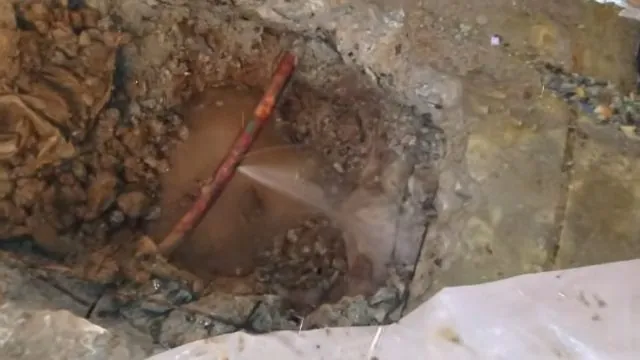
A leak on the service line between the meter and the house is the one that shows on your bill while being entirely invisible. The meter test catches it; locating it is a yard job.
If the leak turns out to be on the line between the meter and the house, see water line repair for how that kind of repair is decided.
Leak repair in Lake Havasu City: findings and options once the leak is located
Detection and repair are separate steps, and keeping them separate is usually in your interest.
Once the leak is located you should be told what was found, where, how confidently, and what the repair options are. A leak under concrete has its own decision tree, and slab leak detection and repair walks through it, scanning a post-tension slab included.
If it is a failed section of supply line, that is burst and broken pipe repair. If several failures turn up across the system, the conversation becomes a different one again.
A suspected gas leak is not this page at all. Leave the building, touch no switches, and call your provider from well clear. The full sequence sits on gas line repair.
Leak detection questions people start with
How can I tell if I have a hidden water leak?
Use the meter. Turn off every tap and appliance, make sure no irrigation is due, note the reading, wait an hour using no water, and read it again. Any movement means water is going somewhere with nothing running. It costs nothing and it turns a suspicion into a measurement.
My water bill jumped but I cannot see anything. Where do I start?
With the meter test above, then with the outdoor possibilities, because those are the ones that never show inside the house. Irrigation laterals and valves, the service line between meter and house, and pool plumbing are the usual causes of a bill that climbs while everything indoors looks normal.
How do you find a leak without breaking anything?
By narrowing rather than guessing. Sections are isolated and the meter watched to place the leak on a branch, then acoustic listening, thermal imaging or pressure testing narrows it further. No instrument gives a dot on a map, so ask how tight an area the work should narrow it to before anything is opened.
How do I know if my pool is leaking or just evaporating?
Stand a bucket of water on a pool step so it is at the same temperature and exposure, mark both levels, and compare after a day or two. Evaporation affects both equally. If the pool has dropped further than the bucket, the loss is plumbing rather than weather.
Is a warm patch on the floor always a slab leak?
Not always, but it is the classic sign of a hot water line leaking under the concrete and it should not be ignored. Confirm it with the meter test first. If it points under the slab, the location work and the repair options are covered on the slab leak page, including scanning a post-tension slab before anything is cut.
Do I need a plumber for water leaks?
Not for every one. A dripping tap or a running toilet is a quick fix. A hidden leak, a meter that keeps turning or a stain that keeps spreading needs location work first, and that is where detection equipment saves opening walls.
What does leak repair involve once the leak is found?
The repair depends on where the leak is and what the pipe is made of. A fitting or a short section is a small job. A leak behind tile or under concrete is scoped separately, with the access and the finish work agreed before anything is opened.
Need a plumber for a hidden water leak?
If the test below says water is moving with everything shut off, you have a leak and you have evidence. Call with that result and the detection work starts from a fact rather than a suspicion.