Sewer & Mains · Lake Havasu City, AZ
Trenchless Pipe Lining & Relining Lake Havasu City AZ: No-Dig Repair
Trenchless repair rebuilds a pipe from the inside instead of digging it up, and where it suits a line it is clearly the better option.
Trenchless pipe lining and relining in Lake Havasu City, AZ repairs a line from the inside, which suits some pipes and not others.
It does not suit every line. This page is mostly about telling the two apart.
Trenchless against open-trench, honestly
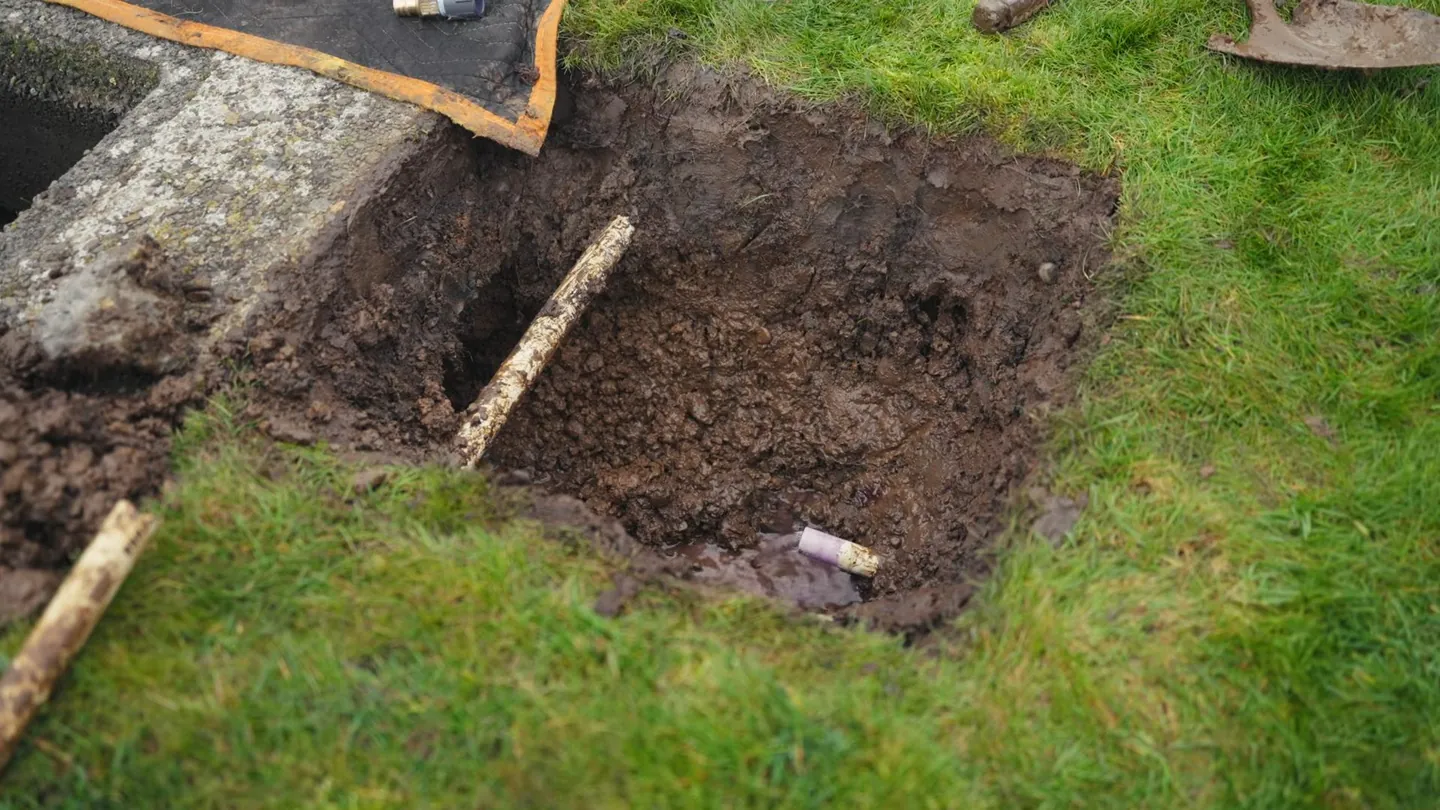
Both are legitimate repairs. The comparison that matters is per line, not in general.
| Trenchless | Open trench | |
|---|---|---|
| Surface disruption | Access pits at each end, the run between left intact | The full length of the run is opened |
| Time on site | Often a day or two | Longer, plus reinstatement |
| Suitability | Depends on pipe condition, diameter and access | Works on any line, including a collapse |
| Changing the route | No, it follows the existing pipe | Yes, the line can be re-laid |
| Fixing a belly | No, a liner follows the existing fall | Yes, that is the usual fix |
The last two rows are the ones that decide most jobs. A liner rebuilds the pipe wall; it cannot change where the pipe goes or what slope it sits at.
What makes a line a candidate
The decision is made on camera footage, which means the inspection comes first. Diagnosis of what is wrong with the line sits on sewer line repair and replacement; this page starts after that.
A good candidate has a pipe wall that is still structurally continuous, consistent diameter, no severe offset at the joints, and access at both ends for the pits.
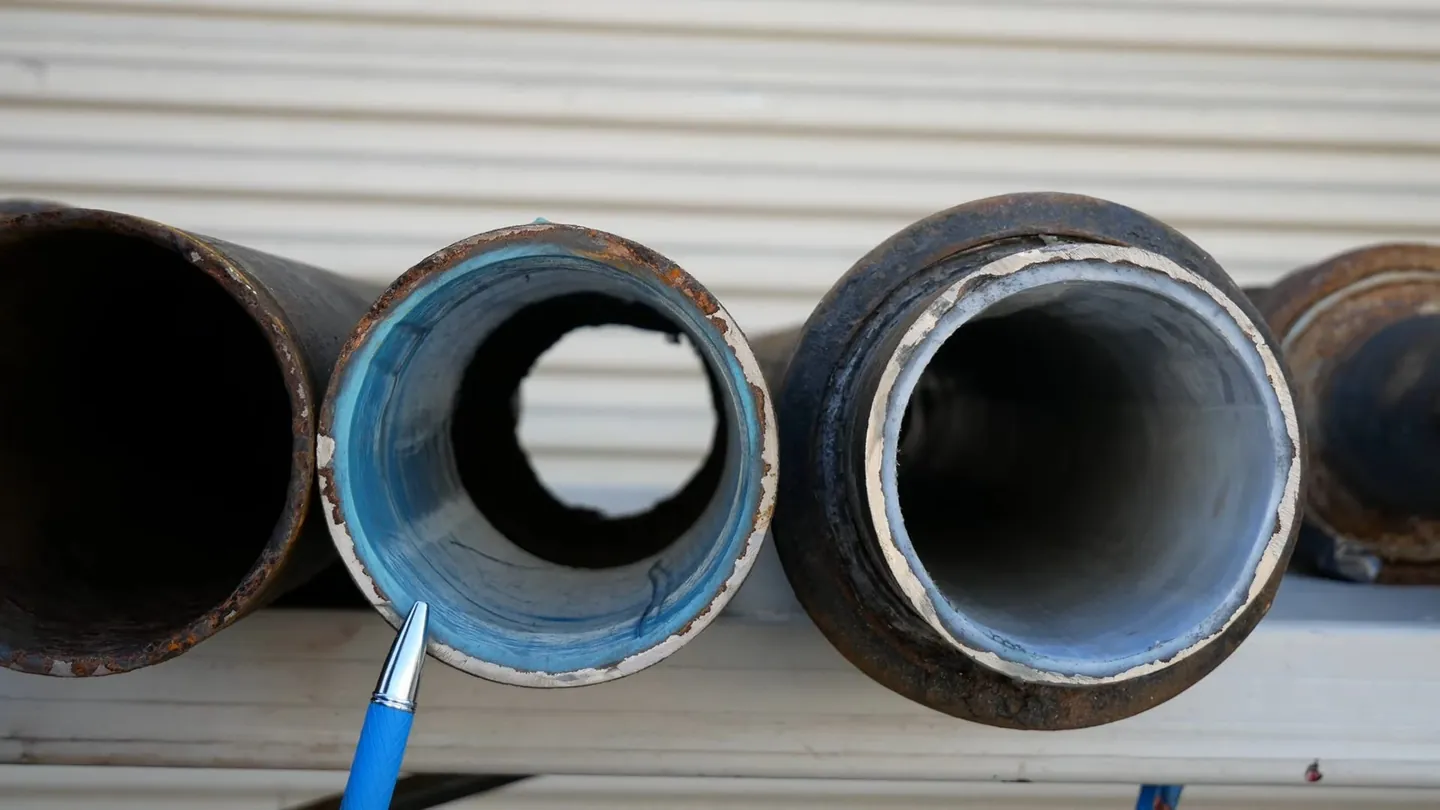
Cracking, root intrusion at joints, corrosion and general deterioration are all conditions a liner handles well, because the liner becomes the new pipe wall and seals the joints as it goes.
What rules a line out is usually structural. A full collapse leaves nothing to line against. A severe belly will be faithfully reproduced by the liner, so the standing water stays. A major diameter change or a badly offset joint can stop the liner seating.
How a cured-in-place liner actually goes in
Worth knowing in outline, because it tells you which questions are reasonable to ask.
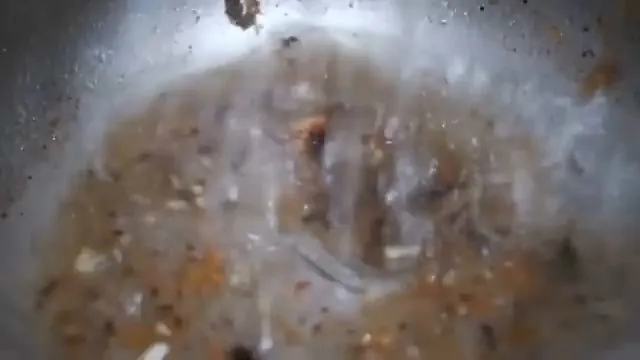
- The line is cleaned thoroughly, because a liner bonds to the pipe wall and will not bond to debris.
- It is camera surveyed again after cleaning, and measured, since the liner is cut to that length.
- A resin-saturated liner is inverted or pulled into position through an access pit.
- It is cured in place, by ambient conditions, hot water, steam or ultraviolet light depending on the system.
- Any branch connections are reinstated, usually by a cutter working from inside the line.
- A final camera run confirms the finished bore, and that footage is what you should ask to keep.
Step one is the one that gets rushed. A liner installed over poorly cleaned pipe is the most common way this repair disappoints.
Want to know if your line can be lined?
Call (928) 766-1925The same method under a slab
Trenchless is not only a sewer technique. Under a concrete floor the appeal is obvious, because the alternative is cutting the slab.
Where a drain line under a slab is a candidate, lining it avoids opening the floor, which removes the flooring replacement, the concrete work and most of the disruption from the project.
Finding and confirming a leak under a slab is a different job and it is covered on slab leak detection and repair, including the post-tension scanning that has to happen before any concrete is cut. This page owns the no-dig method itself, in both contexts.
For pressurised supply lines under a slab the usual no-dig answer is a reroute rather than a liner, which is a different approach to the same goal of leaving the floor alone.
What drives the cost, and what the pitch leaves out
Trenchless is frequently sold on landscaping, and that framing oversells it slightly. Access pits still have to be dug at each end, so it is far less disruption rather than none.
What genuinely moves the price is the length of the run, how much cleaning the line needs first, how many branch connections have to be reinstated, and how easy the access points are to reach.
Where trenchless usually wins on total cost is not the plumbing line item. It is everything that does not have to be put back: driveway, patio, mature planting, concrete, flooring. On a short run through open ground, open-trench is often simply cheaper, and a contractor who says so is being straight with you.
Trenchless questions about digging and access pits
Does trenchless repair really avoid digging?
It avoids digging the length of the run, which is where most of the disruption and reinstatement cost sits. Access pits are still needed at each end, so it is far less digging rather than none. Anyone promising no excavation at all is overselling it.
How do I know if my line can be lined?
Camera footage decides it. A candidate has a pipe wall that is still structurally continuous, a consistent diameter, no severe offset at the joints, and access at both ends. Ask specifically what in the footage makes your line suitable, and expect a specific answer.
Will lining fix a sewer line that holds water?
No. A liner follows the existing pipe, so it reproduces the existing fall faithfully. If a section has lost its slope and holds standing water, that section has to be re-laid to the correct fall, which means opening it. A liner would simply give you a smoother pipe with the same problem.
Can a pipe under my concrete floor be lined?
Sometimes, and where it is possible it avoids cutting the slab, which removes most of the cost and disruption. Whether it applies depends on the same conditions as any other line. For pressurised supply lines under a slab the usual no-dig answer is a reroute instead.
Is trenchless always cheaper than digging?
No. On a short run through open ground, open-trench is often simply cheaper. Trenchless wins where the surface above the pipe is expensive to put back, such as a driveway, a patio, mature planting or a concrete floor. Compare the total including reinstatement, not the plumbing line alone.
Find out whether your line is a candidate
Trenchless is not a universal answer, and the camera decides rather than the sales pitch. Call, describe what has already been found, and ask specifically what in the footage makes your line suitable or rules it out.