
Bathroom Fixtures · Lake Havasu City, AZ
Toilet Repair Lake Havasu City AZ: Running, Leaking and Clogged
A toilet is the fixture most likely to waste a large amount of water without anyone noticing, because the failure is usually silent.
Toilet repair in Lake Havasu City, AZ covers the fill valve and flapper fixes that stop a running toilet as well as full replacements.
Most of what goes wrong is a part costing very little and a short visit. The trick is knowing which part.
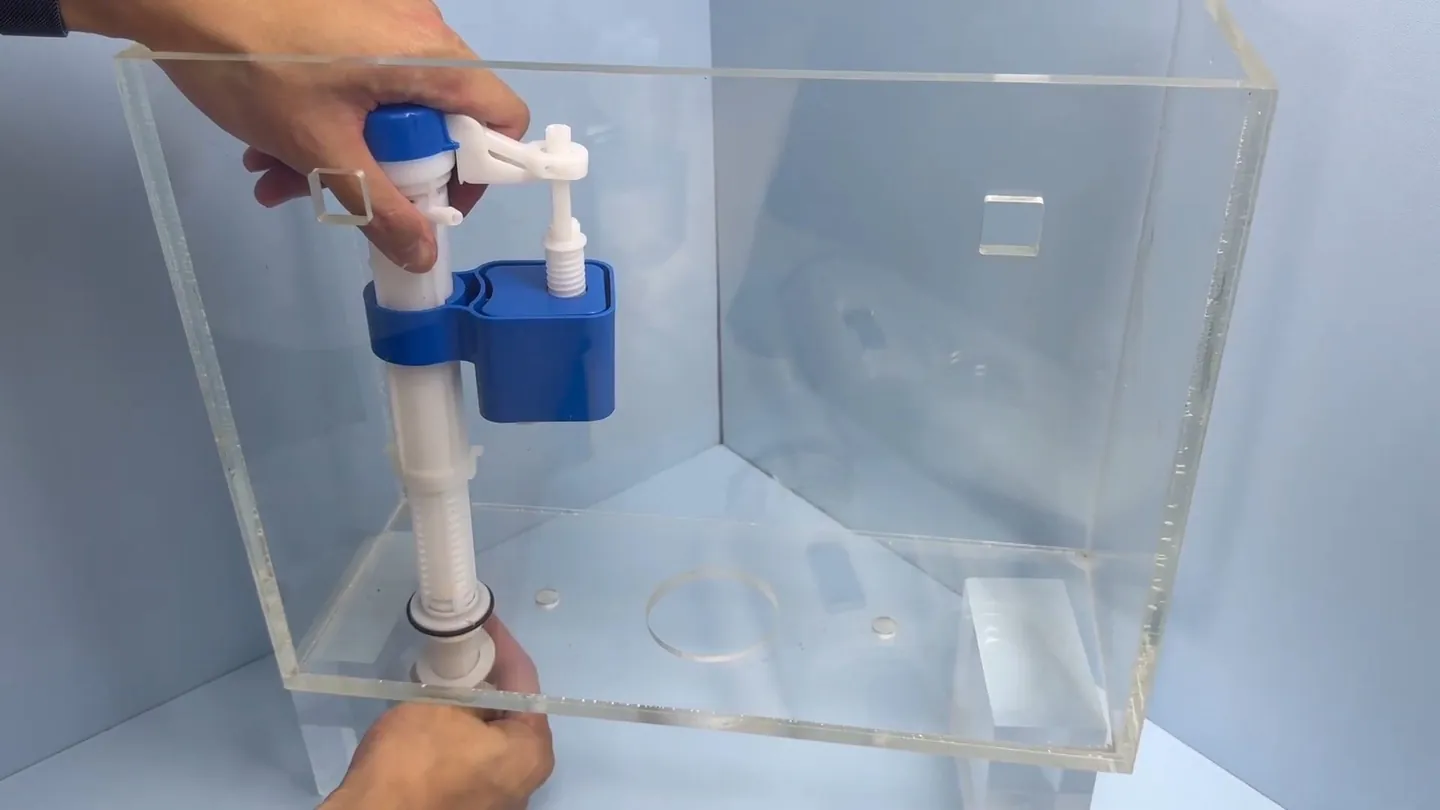
The silent leak test, which takes ten minutes
If your water bill has climbed and nothing obvious is leaking, do this before anything else.
- Take the lid off the cistern and set it somewhere safe and flat.
- Add a few drops of food colouring to the water in the cistern, then put the lid back.
- Do not flush, and do not use that bathroom, for about fifteen minutes.
- Look in the bowl. If there is any colour in it, water is passing from the cistern into the bowl continuously.
- Flush to clear the colouring, and note which toilet it was if you have more than one.
A toilet that fails this test is leaking all day and all night without making a sound. It is also one of the least expensive repairs in the house, which is a good combination.
What a running toilet is actually doing
There are only a few mechanisms involved, and the symptom usually identifies which one.
Water trickling into the bowl between flushes is almost always the flapper or the flush valve seal. The rubber hardens over time and stops sealing, and hard water accelerates that.
A cistern that keeps refilling in short bursts, often called phantom flushing, is the same fault seen from the other side. The cistern level drops as water escapes, and the fill valve tops it up.
Water running continuously and never stopping is usually the fill valve itself, or a float set too high so water goes permanently down the overflow. A handle that must be held, or jiggled, is the lift chain length or the handle arm.
Toilet symptoms matched to the part usually responsible
| Symptom | Usually | Scope |
|---|---|---|
| Trickle into the bowl, colour test positive | Flapper or flush valve seal | Small part |
| Refills in bursts on its own | Same seal, seen from the cistern side | Small part |
| Runs continuously | Fill valve or float setting | Small part |
| Water at the base of the pan | Wax ring or flange seal | Pull and reset the toilet |
| Rocks when you sit | Loose flange, failed bolts or an uneven floor | Reset, sometimes flange repair |
| Weak or incomplete flush | Blocked rim jets, or a partial blockage downstream | Clean or clear |
Water at the base is the one to deal with promptly
A seeping wax ring or flange seal is a small repair that becomes a large one if it is left.
The water goes into the subfloor rather than across it, so there is often very little to see while real damage accumulates. On a slab it spreads; on a timber floor it softens the deck and the flange loses its fixing.
A toilet that rocks even slightly is worth raising at the same time, because movement is what breaks the seal in the first place. Resetting a toilet is a routine job; replacing a rotted subfloor and a broken flange is not.
Toilet running, rocking or leaking at the base?
Call (928) 766-1925Clearing a clogged toilet, and when the toilet is not the problem
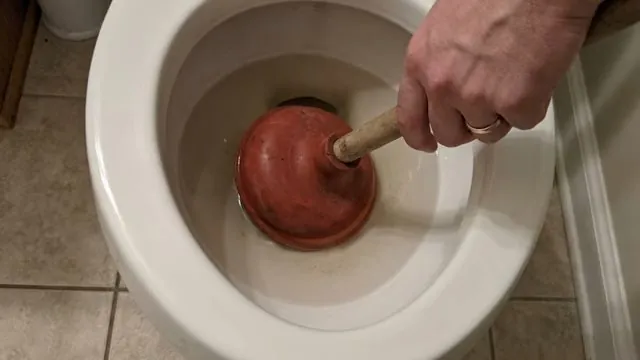
Clearing a clogged toilet is usually straightforward when the blockage is in the pan itself. An object lodged in the trap sometimes means pulling the toilet, which is still routine work.
What matters is telling that apart from a line problem. If one toilet blocks and everything else in the house drains normally, the toilet or its immediate branch is the suspect.
If flushing it makes a nearby shower gurgle, or the lowest drain in the house backs up at the same time, the toilet is reporting a problem it did not cause. That is drain or main line territory and it is covered on drain cleaning and clog removal.
Worth saying plainly: so-called flushable wipes are the single most common cause of repeat blockages, and they do not break down in the way the packaging implies.
Toilet installation in Lake Havasu City: replacement and moving one
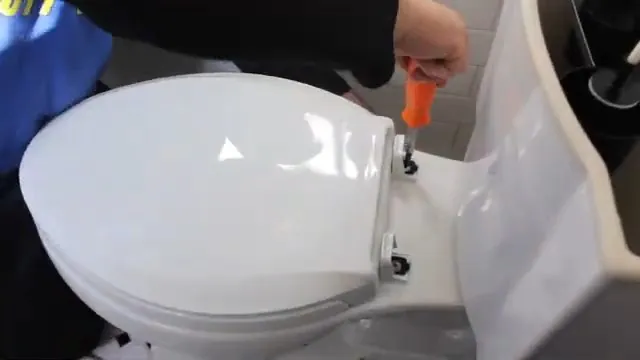
Replacing a toilet in the same position is a short job, and the things that complicate it are predictable: a flange sitting below finished floor level after new tile, corroded closet bolts, or a supply shutoff that will not close.
Rough-in distance is the measurement to check before buying. It is the distance from the finished wall to the centre of the closet bolts, and a unit bought for the wrong one will not sit correctly.
Moving a toilet to a new position is a different project, because the drain has to move with it and drain lines need fall. That is worth establishing before a bathroom layout is finalised. Broader wet-space work is covered on bathroom plumbing.
High-efficiency units in a hard water city
Lower-volume and dual-flush toilets are the default on new installations now, and they work well. Two local points are worth knowing.
First, a low-volume flush depends on the bowl and rim jets being clear. Tap water here is very hard, measured at 19 grains to the gallon, so deposits build inside those jets. A flush that has weakened over years is frequently a cleaning job, not a design flaw.
Second, dual-flush mechanisms have more moving parts than a simple flapper, and parts availability varies a great deal between brands. Ask whether replacement parts are readily available before you buy, because a unit with no obtainable parts is a replacement rather than a repair.
Toilet questions we answer most often
How do I know if my toilet is leaking silently?
Put a few drops of food colouring in the cistern, leave it fifteen minutes without flushing, then look in the bowl. Any colour in the bowl means water is passing through continuously. It is the cheapest diagnostic in plumbing and it catches a fault that can waste water around the clock.
Why does my toilet refill on its own when nobody has used it?
That is usually the flapper or flush valve seal letting water escape into the bowl. The cistern level drops and the fill valve tops it up, which is why it seems to flush itself. The rubber hardens with age and hard water speeds that up. It is normally a small part.
There is water around the bottom of my toilet. Is that serious?
It is worth dealing with promptly. It usually means the wax ring or flange seal has failed, and the water goes into the subfloor rather than across it, so damage accumulates with little to see. Resetting a toilet is routine. Replacing a rotted subfloor and a broken flange is not.
My toilet keeps clogging. Is it the toilet or the drain?
Watch what else does. If only that toilet clogs and everything else drains normally, the toilet or its branch is the suspect. If flushing makes a nearby shower gurgle, or the lowest drain backs up at the same time, the toilet is reporting a problem further down the line. Wipes marketed as flushable are the most common repeat cause.
Why does a small toilet part cost what it does to fit?
Because almost all of it is the visit rather than the component. A flapper or a fill valve is inexpensive, and the charge reflects getting someone to your door, diagnosing which part has failed and testing it afterwards. That is also why it is worth having other small jobs looked at in the same visit.
What should I check before buying a new toilet?
The rough-in distance, which is the measurement from the finished wall to the centre of the closet bolts. A unit bought for a different rough-in will not sit correctly. If you are considering dual-flush, also ask whether replacement parts are readily available for that brand.
What does it mean when a toilet keeps running?
A running toilet is letting tank water leak into the bowl, or its fill valve is not shutting off. The usual causes are a worn flapper, a chain that is too tight or a fill valve that needs replacing. A few drops of dye in the tank, with no flush for ten minutes, show whether the flapper is leaking.
Do I need a plumber for a leaking toilet?
Water at the base is worth a call, because it can mean a failed wax ring or a supply connection leaking into the floor. A leak at the supply valve or tank bolts is often a small part. Either way, shut the supply valve first and keep the floor dry.
Need a plumber for a running toilet?
Most of these are a part, not a replacement, and the diagnosis takes minutes. Call and describe what it does and when it does it, and you will be told whether this is a flapper, a fill valve, a seal or a unit worth replacing.