
Drainage · Lake Havasu City, AZ
Hydro-Jetting Lake Havasu City AZ: When High-Pressure Water Is Right
Hydro jetting scours the inside wall of a pipe with high-pressure water instead of boring a hole through whatever is blocking it.
Hydro-jetting in Lake Havasu City, AZ is a strong tool, and it is only the right one for certain kinds of blockage.
That difference decides when it is worth paying for, and it is also the reason it is not right for every line.
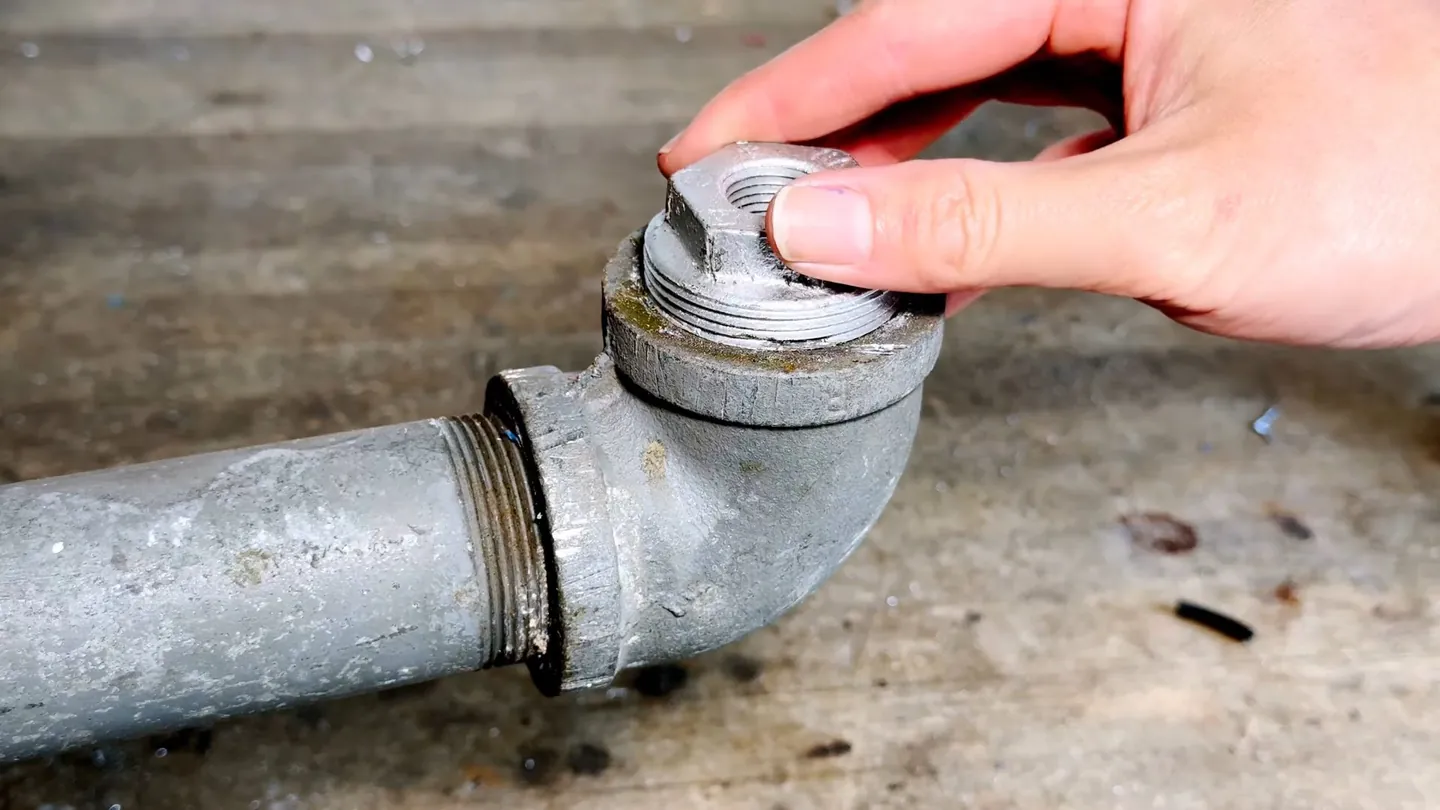
Jetting against cabling, as a tool choice
Both have a place. The question is which one your line needs, not which is better in general.
| Hydro jetting | Cabling | |
|---|---|---|
| What it removes | The build-up coating the pipe wall, all the way round | A path through the blockage |
| Best against | Grease, scale, sludge, fine root hair | A discrete obstruction or a solid object |
| After the job | Pipe close to its original bore | Flow restored, coating still there |
| Needs beforehand | A camera view of pipe condition | Access, and often little else |
| Wrong choice when | The pipe wall is already compromised | The problem is recurring build-up |
The bottom row is the whole page in two lines. Cabling a line that keeps coating up is a subscription. Jetting a line that is structurally weak can do damage.
What it actually does inside the pipe
A hose carrying a specialised head is fed into the line. The head directs water backwards at an angle, which both pulls the hose along the pipe and scours the wall behind it as it goes.
That geometry is the point. The cutting action works outwards against the full circumference rather than forwards through the middle, so what comes out is the coating rather than a core sample of it.
Pressure and head type are matched to the line, which is why the camera inspection comes first. We are not going to publish a pressure figure here, because the equipment belongs to the plumber attending and quoting a number we cannot stand behind would be a claim rather than information.
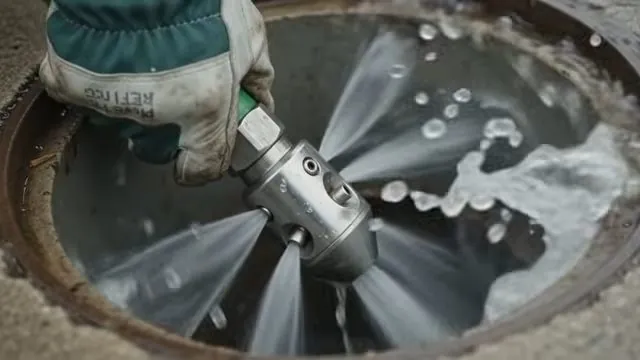
Grease, which is the usual reason
Grease is the most common thing jetting is called for, and it behaves differently from other blockages.
It goes down warm and liquid, cools on the way, and deposits on the pipe wall. Each layer narrows the bore slightly and gives the next layer something to hold. Nothing blocks for a long time, and then the line is suddenly half its diameter.
A cable through that drills a hole and restores flow, which is why the relief lasts weeks rather than years. The coating is still there and it closes again.
This is the pattern where jetting pays for itself rather than being the expensive option. For routine clearing, and how often a drain genuinely needs it, see drain cleaning.
Roots, and what jetting can and cannot do about them
Roots find joints, get in as fine hair, and thicken once they are in the water.
Jetting clears root hair and fine intrusion well, and it cleans the pipe wall around the entry point so the next camera run shows the defect clearly instead of a mass of root.
What it does not do is stop them coming back, because the hole they came through is still there. If roots are the finding, jetting is the clearing step and the repair is a separate decision, usually a lining or a spot repair at that joint.
Anyone selling jetting as a permanent answer to a root intrusion is selling you an annual appointment.
Same line coating up again and again?
Call (928) 766-1925When a line should not be jetted
This is the section most pages about jetting leave out. It is the reason the camera comes first.
- A pipe wall that is already cracked, corroded through or structurally thin
- A line that has collapsed or is close to it, where the pressure has nothing sound to work against
- Joints that have separated or offset badly, where a head can leave the pipe
- Older or brittle pipe material in poor condition, which is a judgement made on the footage rather than on age
- A line that has not been inspected at all, because jetting blind is guessing with pressure
In those cases jetting is not a cheaper alternative to a repair. It is a way to turn a repair into a bigger one.
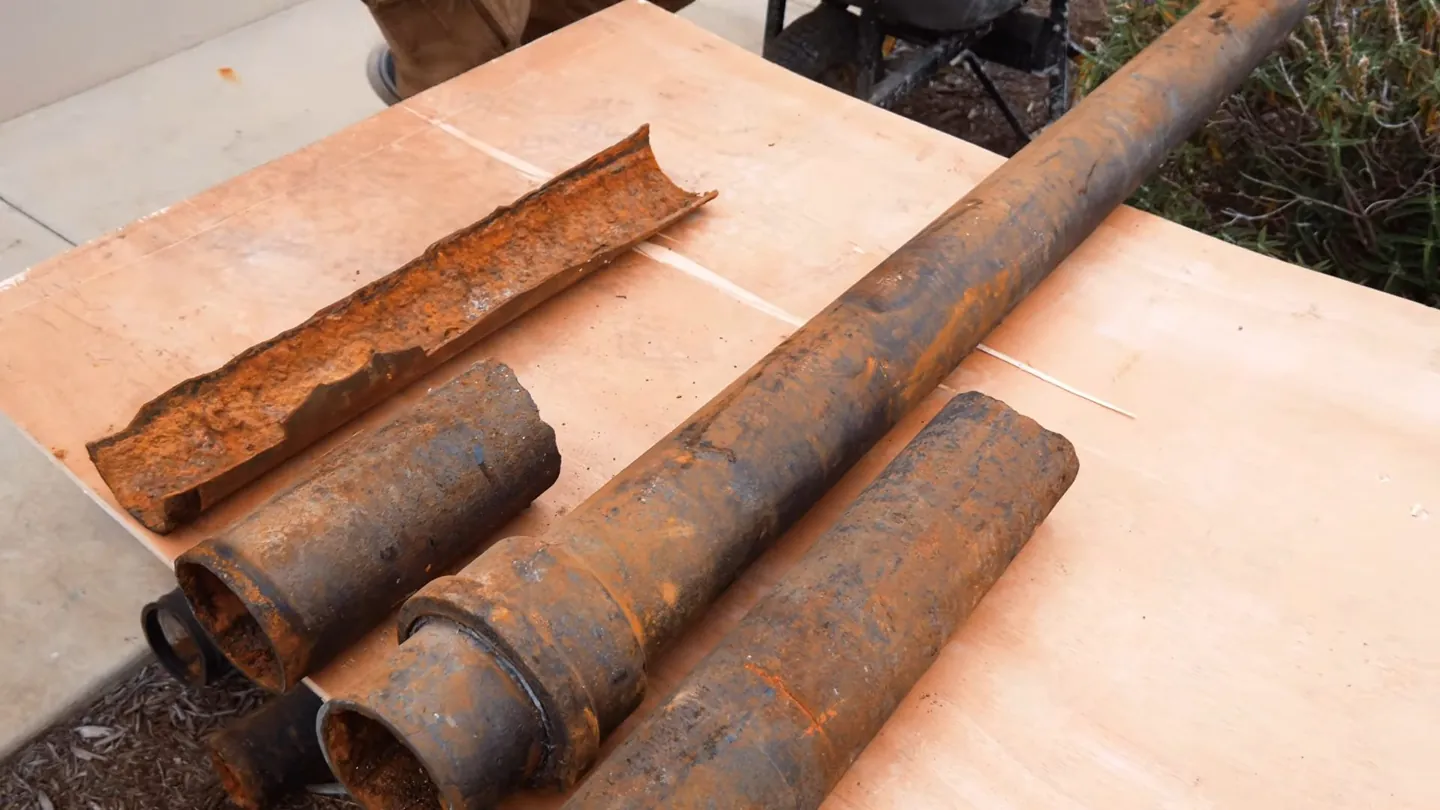
Commercial kitchens, where the interval is the service
For a restaurant, a bakery or any kitchen producing real grease volume, jetting is maintenance rather than a repair call.
The useful arrangement is a scheduled interval set by what the camera showed last time, rather than by the calendar or by waiting for a backup. A kitchen that cannot trade is losing more per hour than the service costs.
Two things worth asking a provider. Will they show you the camera footage before and after, which is how you know what you bought. And is the interval reviewed against the footage, or fixed in the contract regardless of what the line looks like.
Hydro jetting questions, answered straight
What is the difference between hydro jetting and snaking a drain?
A cable bores a path through a blockage and restores flow. Jetting scours the full circumference of the pipe wall, so it removes the coating rather than making a hole in it. That is why cabling suits a discrete obstruction and jetting suits recurring build-up.
Will hydro jetting damage my pipes?
It can, on a line that is already compromised. Cracked, corroded, badly offset or near-collapsed pipe should not be jetted, because the pressure has nothing sound to work against. That is exactly why a camera inspection comes first. Jetting blind is guessing with pressure.
Does hydro jetting get rid of tree roots permanently?
No. It clears root hair and fine intrusion well and cleans the wall so the entry point is visible on camera. The hole the roots came through is still there, so they return. Jetting is the clearing step; the repair at that joint is a separate decision.
How often should a commercial kitchen line be jetted?
On an interval set by what the camera showed last time rather than by the calendar. Grease volume varies enormously between kitchens. Ask whether the interval is reviewed against the footage or fixed in the contract regardless of the line's condition.
Is hydro jetting worth the extra cost over a standard clearing?
It depends on why the line blocked. For a one-off obstruction, cabling is usually the proportionate answer. For a line that coats up and blocks again every few months, repeat cabling costs more over a couple of years and never addresses the cause.
How does hydro jetting work?
A hose with a jetting nozzle is fed into the line through a cleanout. Water is pumped through at high pressure and scours grease, scale and roots from the pipe wall as the nozzle moves along. A camera run beforehand confirms the pipe can take it.
Ask whether your line should be jetted at all
Jetting is the right tool for some lines and the wrong one for others, and the difference is visible on camera. Call, say what has already been found, and ask what the footage shows about the condition of the pipe wall.