
Water Treatment · Lake Havasu City, AZ
Water Filtration & Purification Lake Havasu City AZ: Start With the Water
Your tap water is already treated, and it is worth knowing what that treatment covers before you spend money adding to it.
Water filtration and purification in Lake Havasu City, AZ starts from what the city reports about its own water.
This page sets out what the city removes, what it leaves, and which of those two lists your particular complaint is on.
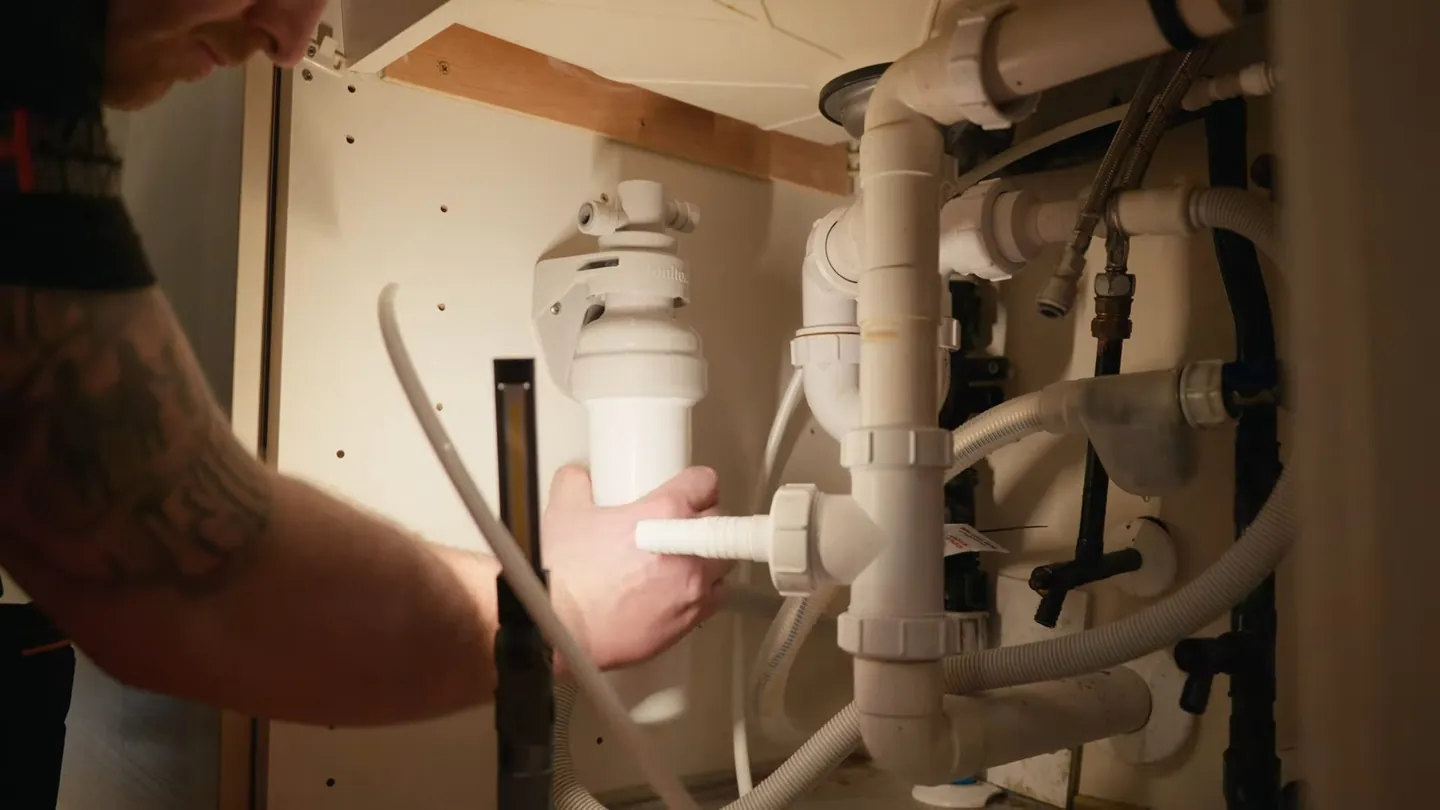
What the city already does to your water
Lake Havasu City draws from the Colorado River Aquifer through 11 wells. Before the water reaches you it is treated to remove arsenic, manganese and iron, then disinfected using ultraviolet light and chlorine. That sequence is the reason the answer to most taste complaints here is not another disinfection stage.
That is a real treatment process and it is published annually. Any sales conversation that implies your tap water is untreated is either uninformed or counting on you being so.
The useful question is narrower. Municipal treatment is built to deliver water that is safe to drink. It is not built to deliver water that tastes like nothing, and those are different targets.
City treatment against what household filtration addresses
Drawn from the city's own published report. The right hand column is where household filtration earns its keep.
| Already handled by the city | Left for you to decide about |
|---|---|
| Arsenic, manganese and iron removal | Total dissolved solids, measured at 753 ppm |
| Disinfection by ultraviolet light and chlorine | Chlorine taste and odour at the tap |
| Microbiological safety monitoring | Hardness at 19 grains per gallon, which is a softener job |
| System-wide quality reporting each year | Taste from minerals that are safe but noticeable |
Total dissolved solids and why the water still tastes of something
Total dissolved solids measure everything dissolved in the water that is not water. Minerals, salts and metals, in aggregate. The city reports 753 parts per million.
There is no health limit at stake in that number. The relevant federal guideline for dissolved solids is a secondary one, set at 500 parts per million and based on taste and appearance rather than safety. Havasu sits above it, which is a good description of the actual complaint most people have: the water is safe, and it tastes like minerals.
Chlorine is the second component of taste. It is in the water because disinfection is a requirement rather than an option, and it is also the easiest thing on this page to filter out, because carbon does it cheaply and well.
So two different mechanisms produce one complaint. Carbon handles the chlorine. Only reverse osmosis meaningfully reduces the dissolved solids.
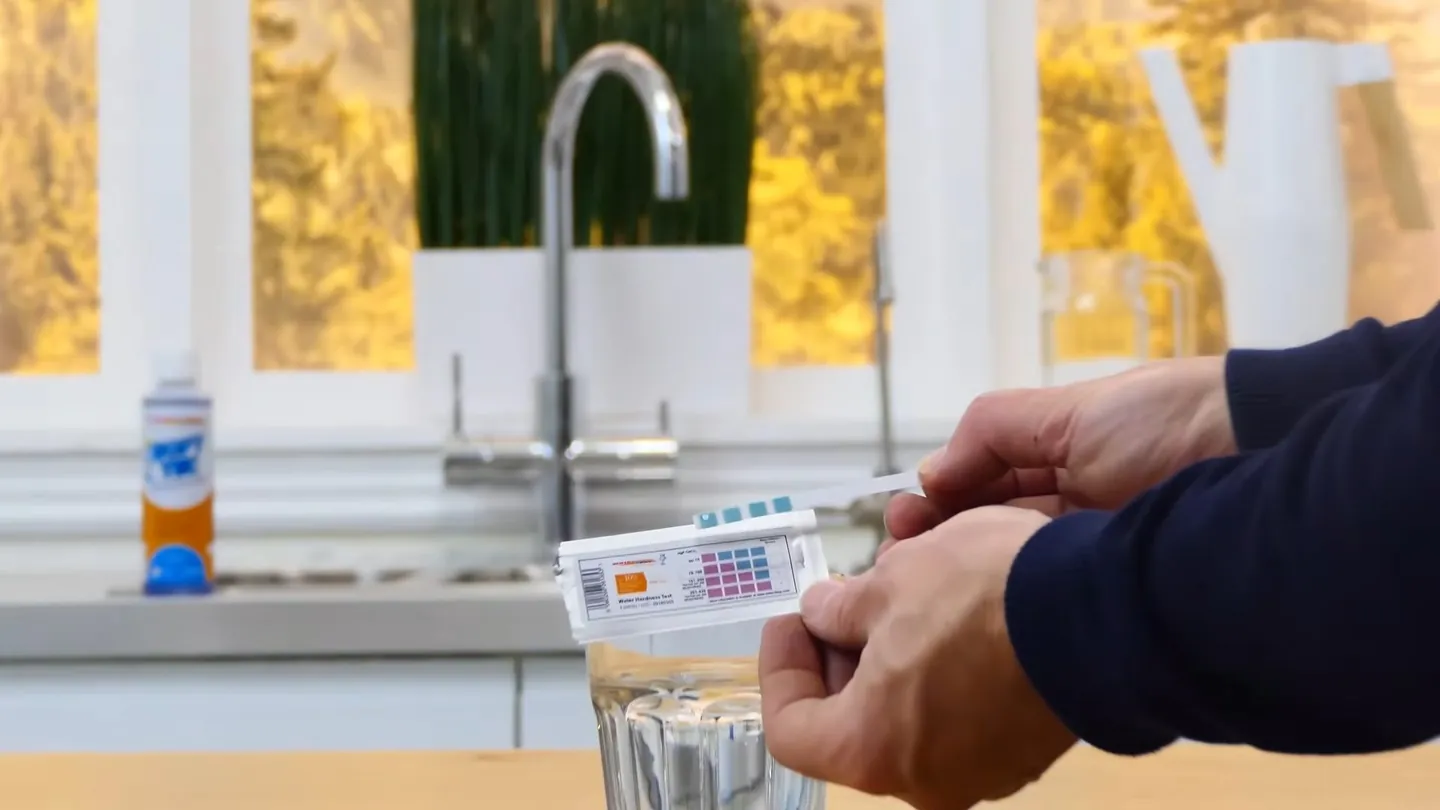
Checklist: match your water complaint to the right equipment
Each line points at different equipment. Pick the ones that match.
- Water tastes or smells of chlorine, particularly straight from the cold tap, which points at carbon filtration
- Water tastes flat, mineral or faintly salty, which points at dissolved solids and reverse osmosis
- Spots on glassware, scale on fixtures, stiff laundry, which is hardness and a softener job
- Cloudy water or visible grit, which points at sediment filtration ahead of anything else
- Only the drinking and cooking water bothers you, which makes a single point of use unit sufficient
- The shower and the whole house bother you, which is a whole-house question and a larger one
Not sure which of the three problems you have?
Call (928) 766-1925Reverse osmosis under the sink against whole-house carbon
These solve different problems and the choice is usually settled by which taps you care about.
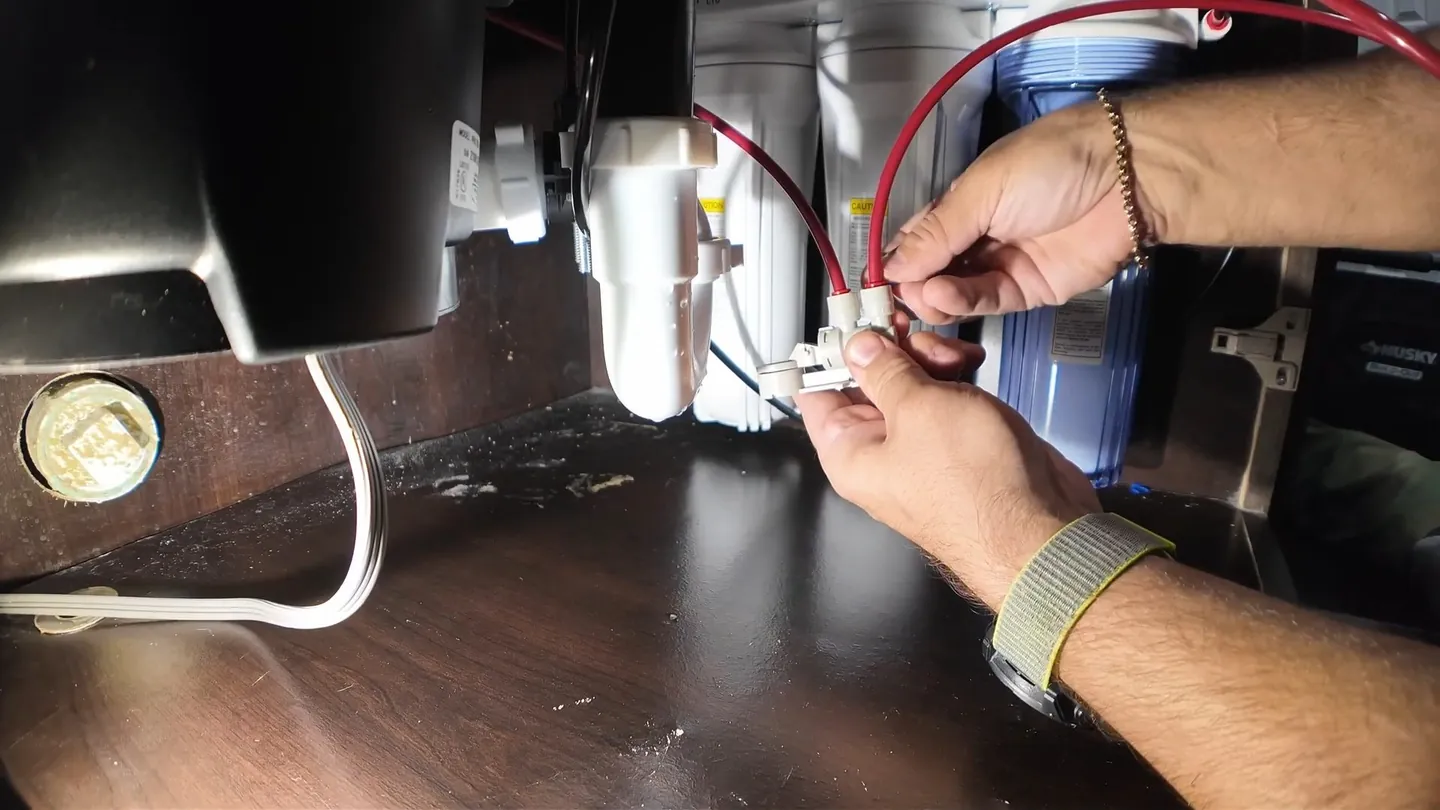
A reverse osmosis unit under the kitchen sink pushes water through a membrane that rejects most dissolved solids. It is the only common household technology that makes a real difference to a 753 parts per million reading. It treats a small volume, it is slow, and it sends some water to drain, which is why it belongs at one tap rather than at the whole house.
Whole-house carbon filtration treats everything entering the building. It takes out chlorine taste and odour, which improves showers and laundry as well as drinking water, and it does very little to dissolved solids.
Plenty of houses here end up with both: carbon at the point of entry for the chlorine, reverse osmosis at the kitchen tap for the drinking water. That is a reasonable outcome, but it should be a decision rather than the default package, and it should follow a test.
Softener first, filter second
The order these go in is not a preference, and getting it wrong is expensive.
At 19 grains per gallon, Havasu water will scale a reverse osmosis membrane. A membrane is a consumable, it is the costliest part of the system, and hard water shortens its life considerably. A softener fitted ahead of it removes the calcium and magnesium before they ever reach it.
So if you are fitting both, the softener goes first in the line. If you are fitting them a year apart, the softener still goes first in the plumbing, and a competent installer will leave the position for it even when it is not yet being bought.
There is a separate page on softeners covering sizing at 19 grains, and the two pages are deliberately kept apart because they are different purchases. Scale is a softener problem. Taste and dissolved solids are a filtration problem.
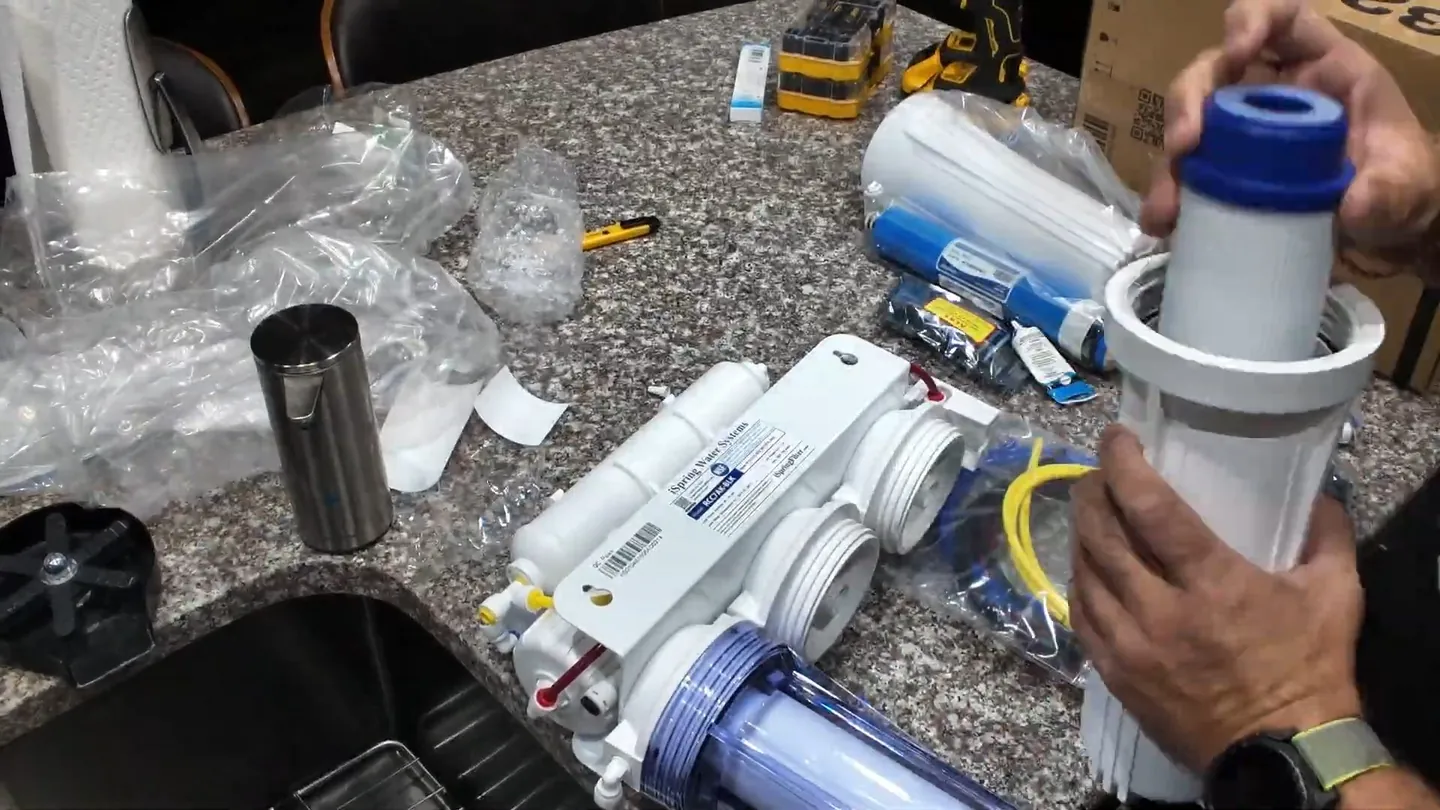
Filter cartridges that fail silently when ignored
Filtration is the one category of plumbing equipment that stops working silently when it is ignored.
Cartridges have a service life measured in gallons or months, and a carbon filter past its life does not simply stop helping. It becomes a place where things collect. Reverse osmosis membranes need replacing on a schedule, and sediment pre-filters protect everything downstream only while they are clear.
Before buying anything, ask three questions: what does each cartridge cost, how often does it need changing at this household's usage, and can I change it myself or is that a visit. The honest total cost of a filtration system is the installation plus five years of consumables, and that arithmetic sometimes changes which system makes sense.
Filtration questions we hear every week
Is Lake Havasu City tap water safe to drink?
The city treats its water for arsenic, manganese and iron, disinfects it with ultraviolet light and chlorine, and publishes an annual water quality report. It is supplied as drinking water and monitored as such. The common complaints here are about taste rather than safety, which is a different problem and has different answers.
What does 753 ppm TDS mean for my water?
Total dissolved solids measure everything dissolved in the water that is not water. The federal guideline for it is a secondary standard set at 500 parts per million, based on taste and appearance rather than health. At 753 the water is above that guideline, which matches what most people report: it is safe and it tastes of minerals.
Will a filter fix my hard water?
Not generally. Hardness is calcium and magnesium at 19 grains per gallon, and reducing it is what a softener does by ion exchange. Standard carbon and sediment filters do not remove hardness. If your complaint is scale, spotting or stiff laundry, the equipment you want is a softener rather than a filter.
Do I need reverse osmosis or is carbon filtration enough?
It depends which complaint you have. Carbon deals with chlorine taste and odour cheaply and can be fitted whole-house. Reverse osmosis is the only common household method that significantly reduces dissolved solids, which is the 753 ppm figure, and it suits a single drinking water tap rather than the whole building.
What does a filtration system cost to run, not just to fit?
This is the question that changes which system makes sense. Every cartridge has a service life, reverse osmosis membranes need replacing on a schedule, and sediment pre-filters only protect what is downstream while they are clear. Ask what each cartridge costs, how often it needs changing at your household's usage, and whether you can change it yourself. The honest figure is installation plus five years of consumables.
Which should I install first, a softener or a filter?
The softener, and ideally it sits first in the line even if you buy the filter later. At 19 grains per gallon the water will scale a reverse osmosis membrane, which is the most expensive consumable in the system. Softening ahead of it extends membrane life considerably.
Taste, hardness or dissolved solids: call before buying a system
Taste, hardness and dissolved solids are three different complaints with three different answers. Call and describe what you actually notice about your water, and you will get told which of the three it is, and whether equipment is the right response to it.