
Water Heating · Lake Havasu City, AZ
Tankless Water Heater Lake Havasu City AZ: An Honest Fit Check
Tankless units are sold hard and they are genuinely good in the right house. They are a poor fit in some others.
A tankless water heater in Lake Havasu City, AZ is not right for every home, and this page says when it is and when it is not.
This page is about working out which one you have before the money is spent, because the places this goes wrong are predictable.
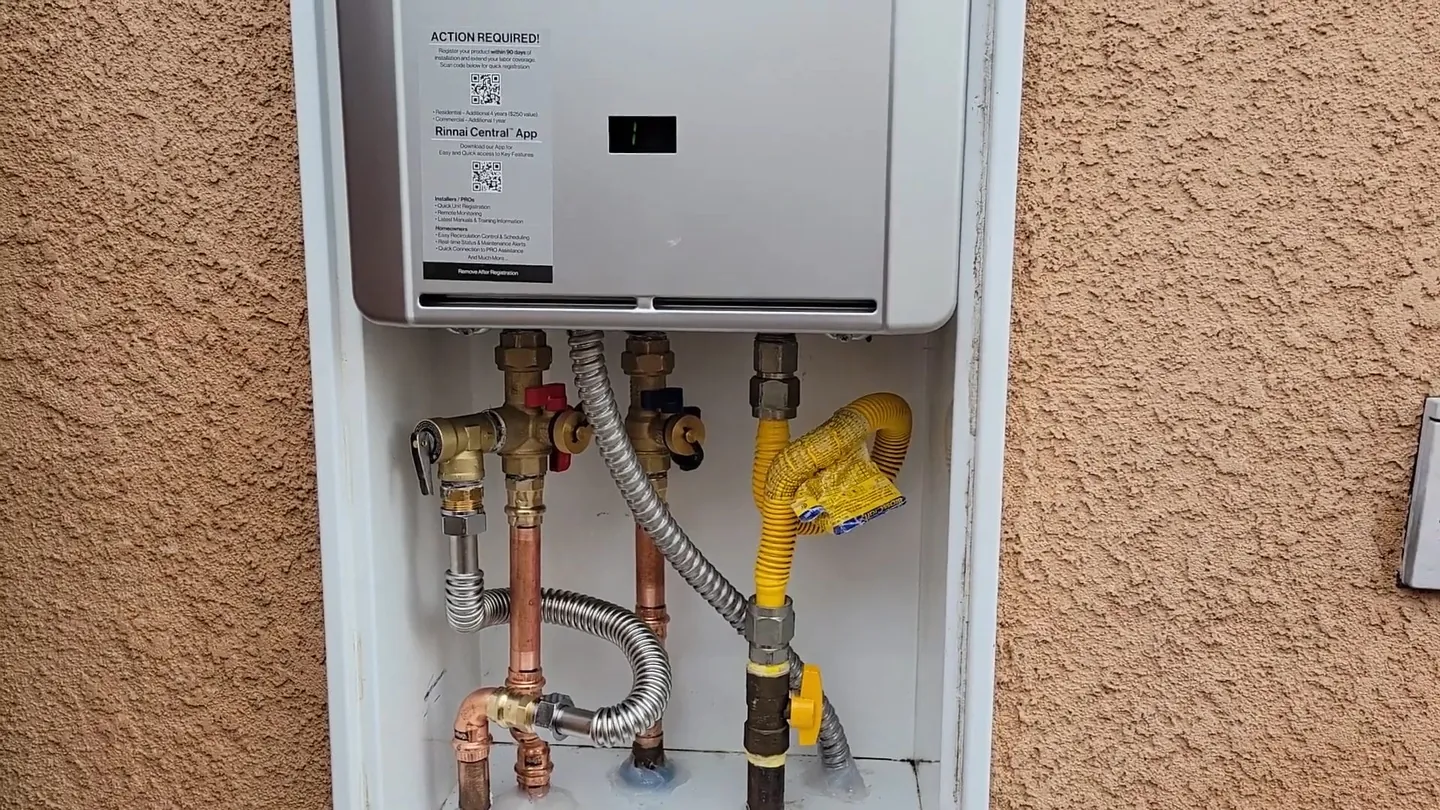
Who a tankless unit actually suits
The real advantages are two. You stop paying to keep a tank hot around the clock, and you stop running out partway through the second shower. Both are genuine.
They suit a household that uses hot water in bursts across a long day, a property where the tank's footprint is worth reclaiming, and a house where the gas supply can carry the draw.
They suit a house less well where several large fixtures run at once, because a tankless unit is limited by flow rate rather than by stored volume. Two showers and a dishwasher together is the scenario that disappoints people.
And a quiet point that gets left out of the sales conversation. In a seasonal home that sits empty for months, the running cost saved is smaller than the brochure implies, because a tank in an empty house is not being drained and refilled anyway.
Hard water scale inside a tankless heat exchanger
A tankless unit heats water by passing it through a narrow heat exchanger. That is the whole design, and it is also its exposure in this city.
Local tap water carries 19 grains of hardness per gallon, so scale forms inside that exchanger. As it does, flow drops, the unit works harder, and eventually it throws an error code rather than heating. Descaling is therefore a scheduled job here, not an optional one.
Ask three questions before buying: how often does this unit need descaling at this hardness, is it a job I can do or a visit, and does the warranty depend on it being done. The third one catches people out.
Fitting a softener ahead of the unit slows all of this down, which is the strongest practical argument for doing both.
Flushing and descaling a tankless heater: what the maintenance is
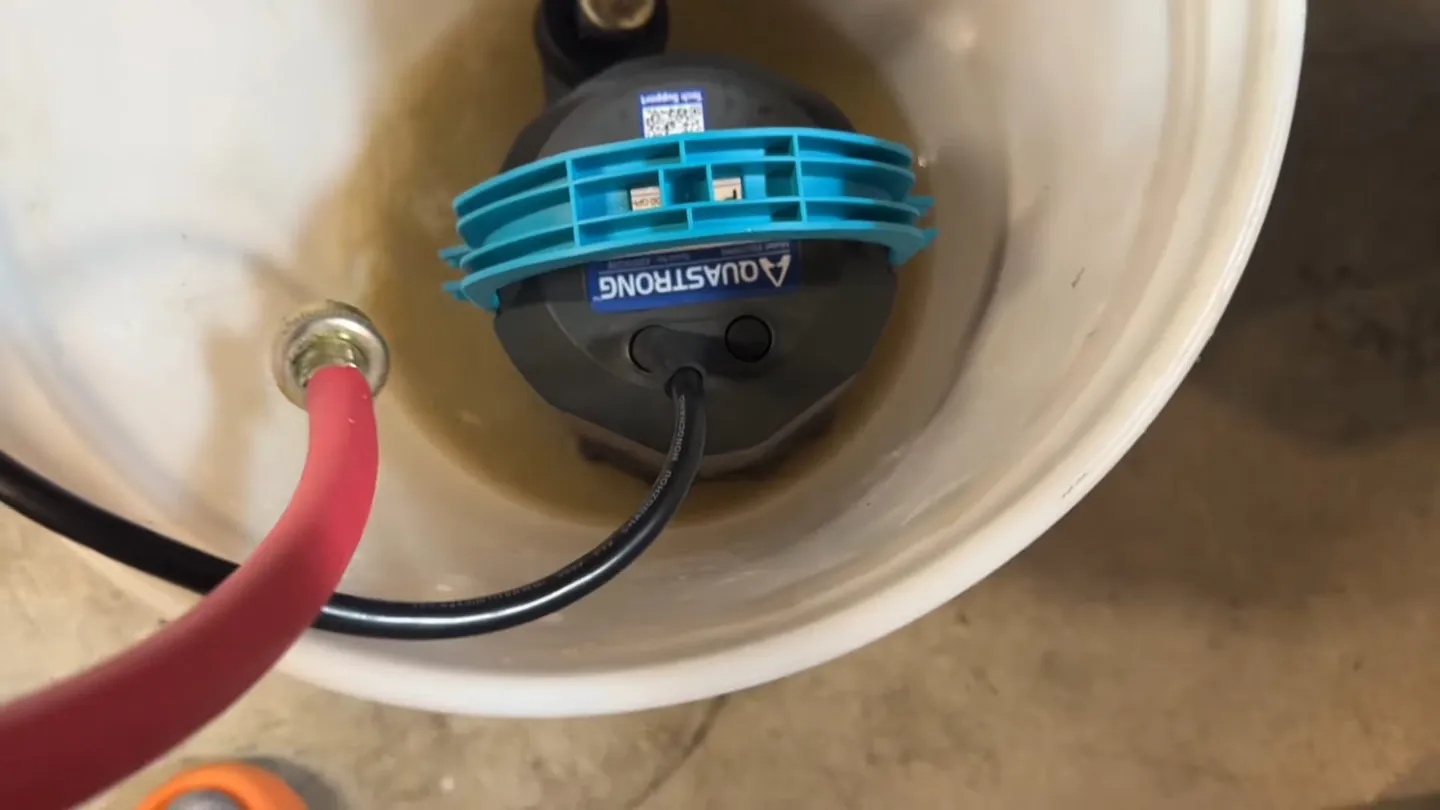
Flushing a tankless heater means circulating a descaling solution through the heat exchanger and then rinsing it out. It is done through the service valves, which is one reason they are worth having fitted.
How often depends on the hardness and on the manufacturer's schedule. At 19 grains per gallon, it is worth asking whether the manual's schedule assumes softer water. A unit with error codes or a temperature that swings is a candidate for a flush before anyone talks about replacement.
The gas supply decides more than the model does
This is where most tankless projects hit trouble, and it is worth settling before anything is ordered.
Heating on demand means a much heavier instantaneous draw than a stored tank ever made. Supply that was adequate for the old unit frequently is not adequate for the new one.
Sizing that supply is its own piece of work, and it is set out on gas line repair and leak detection rather than repeated here. The rule for this page is simply the order of events: settle the supply question first, then choose the unit.
Point-of-use and undersink units
A smaller category that solves a different problem, and often the better answer when the complaint is a wait rather than a shortage.
- A kitchen or bathroom far from the heater, where the wait for hot water wastes both time and water
- A casita, workshop or garage sink with no practical run from the main system
- An addition where extending the existing hot water line would mean opening finished work
- A single fixture with a genuinely small demand, where a full-size unit is more than the job needs
These are modest installations next to a whole-house unit, and they are frequently the right scope. If the complaint is only that one tap takes forever, a point-of-use unit may solve it without touching the main system at all.
Want a straight answer on whether tankless fits?
Call (928) 766-1925Tankless water heater installation in Lake Havasu City: what it involves
Swapping a tank for a tankless unit is not a like-for-like exchange, and being told otherwise is a warning sign.
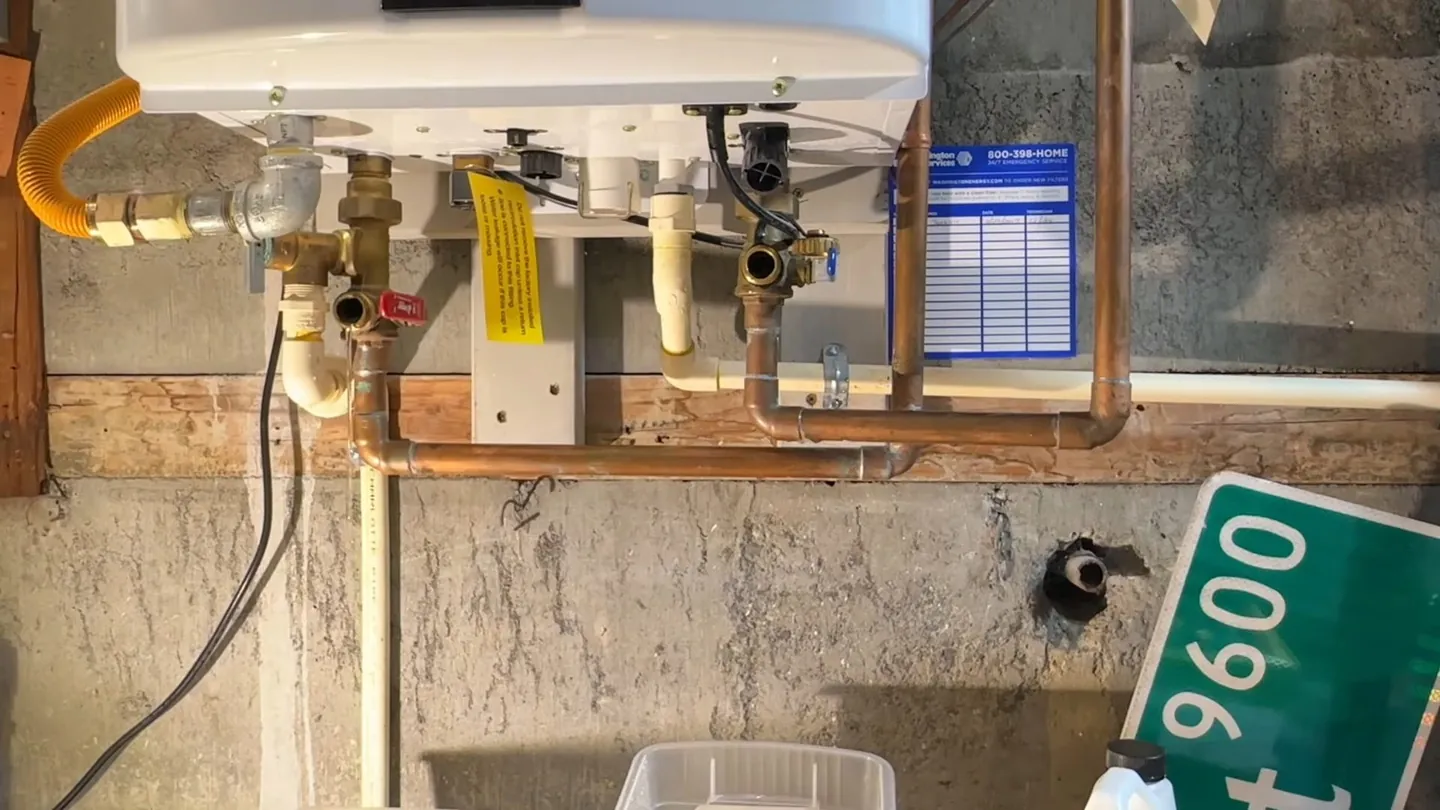
Venting is usually different and often has to be rerouted. The gas line may need upsizing. Condensate needs somewhere to drain on a condensing unit. The electrical supply for the controls has to exist. The mounting position is rarely where the tank stood.
None of that is a reason not to do it. It is a reason to have the scope established in writing first, because the gap between a quoted swap and the actual work is where these projects go wrong.
Tankless water heater repair in Lake Havasu City: a unit you already have
Most tankless faults are not failures of the unit. They are the unit telling you about something upstream.
Error codes relating to flow, dropping output temperature, or hot water that cycles cold and back again usually trace to scale in the exchanger, a blocked inlet filter, or a gas supply that cannot hold pressure under load.
Which means the first step on a tankless repair is rarely a part. It is a descale and a supply check, and anyone reaching for a component before doing those has skipped the diagnosis.
Tankless questions worth asking before you buy
Is a tankless water heater worth it in Lake Havasu City?
Sometimes, and the honest answer depends on the house. It is a strong fit where hot water is used in bursts, where the tank's space is worth reclaiming and where the gas supply can carry it. It disappoints where several large fixtures run at once, because the limit is flow rate rather than stored volume.
How often does a tankless unit need descaling here?
More often than in a soft water area. Local water carries 19 grains of hardness per gallon, and scale forms inside the heat exchanger. The interval depends on the unit and your usage, so ask the manufacturer's figure for your hardness, and ask whether the warranty requires it to be documented.
Can I just swap my tank heater for a tankless one?
Rarely as a straight exchange, and being told otherwise is a warning sign. Venting usually changes, the mounting position moves, a condensing unit needs a condensate drain, and the fuel supply has to be reassessed for an on-demand draw. Get the full scope in writing before anything is ordered.
Is a tankless unit cheaper to own, or just cheaper to run?
Those are different questions. Running cost usually falls, because you stop keeping a tank hot around the clock. Ownership cost has to include descaling at this hardness, any supply work the install needs, and the unit itself. Ask for all three together before deciding, not the fuel saving alone.
What is a point-of-use tankless unit for?
A single fixture that sits far from the main heater, where the complaint is the wait for hot water rather than running out of it. A casita sink, a workshop, an addition or a far bathroom are the usual cases. It is a much smaller installation than a whole-house unit.
My tankless unit keeps throwing an error code. Is it finished?
Usually not. Flow-related codes, falling output temperature and water that cycles cold normally point at scale in the exchanger, a blocked inlet filter or a gas supply that cannot hold pressure under load. A descale and a supply check come before any part gets replaced.
Is a tankless water heater better than a tank water heater?
Neither is better in every house. Tankless suits households that want continuous hot water and have the gas supply to feed it. A tank can be simpler and less sensitive to hard water. At 19 grains per gallon, descaling is part of owning a tankless unit.
Ask whether a tankless unit is right for your house first
The honest answer is not always yes, and the places it goes wrong are predictable. Call and describe the house, the gas supply and what you are actually trying to fix, and you will get told whether the upgrade solves it.