
Repiping · Lake Havasu City, AZ
Whole Home Repiping Lake Havasu City AZ: When a Repipe Beats Patching
A repipe is the largest plumbing project a house will ever have, and it is sometimes exactly the right call.
Whole home repiping in Lake Havasu City, AZ is a larger decision than a single repair, so the sections below cover when it makes sense.
It is also the easiest one to be talked into on thin evidence, so this page starts with what the evidence should look like.
What actually justifies a repipe
One of these is a conversation. Several together is a reason.
- Repeated pinhole leaks in the same run over a short period, not one leak in one place
- Pressure that has dropped across the whole house rather than at one fixture
- Discoloured water from multiple taps that clears slowly or not at all
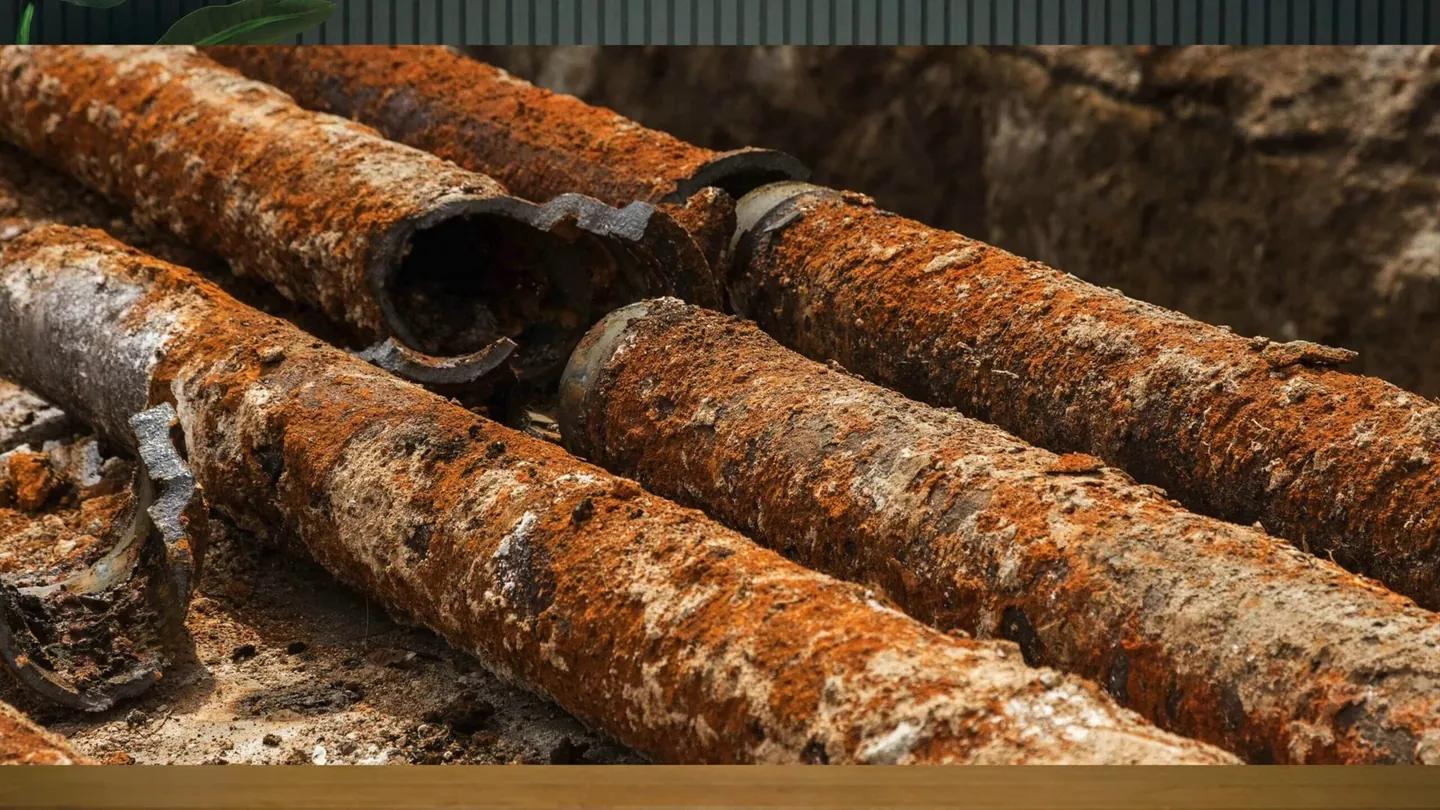
- Supply pipe in poor condition at the points where it has already been exposed, confirmed by someone who looked
- A supply system that has already been patched several times in different places
- A renovation that is opening the walls anyway, which changes the economics considerably
Notice what is not on that list: the age of the house on its own. Age is a reason to look. It is not a finding.
Home age and pipe material in Lake Havasu City
A house's age is a reason to look at its pipes, not a finding about them. What your supply lines are made of is settled by seeing them, at an access point or where a wall is opened, not by the year the house was built.
Lake Havasu City was established in 1963 and incorporated in 1978, so the pre-war galvanized supply common in older American cities is unlikely here. Unlikely is not the same as ruled out, so a plumber should check the actual pipe before recommending a repipe.
What can be stated with a citation is the water. The city system measures hardness at 19 grains per gallon and dissolved solids at 753 parts per million, which is hard on the inside of any supply system.
What a repipe involves, stage by stage
| Stage | What happens | What it means for you |
|---|---|---|
| Survey | Routes planned, access points identified, scope agreed in writing | This is where the price should become firm |
| Open up | Drywall opened at planned points, not everywhere | Dust control and which rooms stay usable |
| Run new lines | New supply run alongside, old system left in place until tie-in | Water stays on for most of this |
| Tie in and test | Switch over, pressure test, old system abandoned or removed | The short shutoff window falls here |
| Close and patch | Drywall patched, textured and usually left ready for paint | Confirm whether painting is in scope |
Two things to settle in writing before day one: who patches the drywall and to what finish, and whether painting is included. That is the single most common dispute on these projects.
Pipe replacement: one run, one wall or the whole house
Pipe replacement covers a range. Sometimes it is a single run behind one wall. Sometimes it is every supply line in the house.
The scope should follow what was observed, such as the failed section, its neighbors and the leak history, rather than a fixed rule. A good estimate states which pipes are being replaced and which are staying.
PEX, and why it is usually the answer now
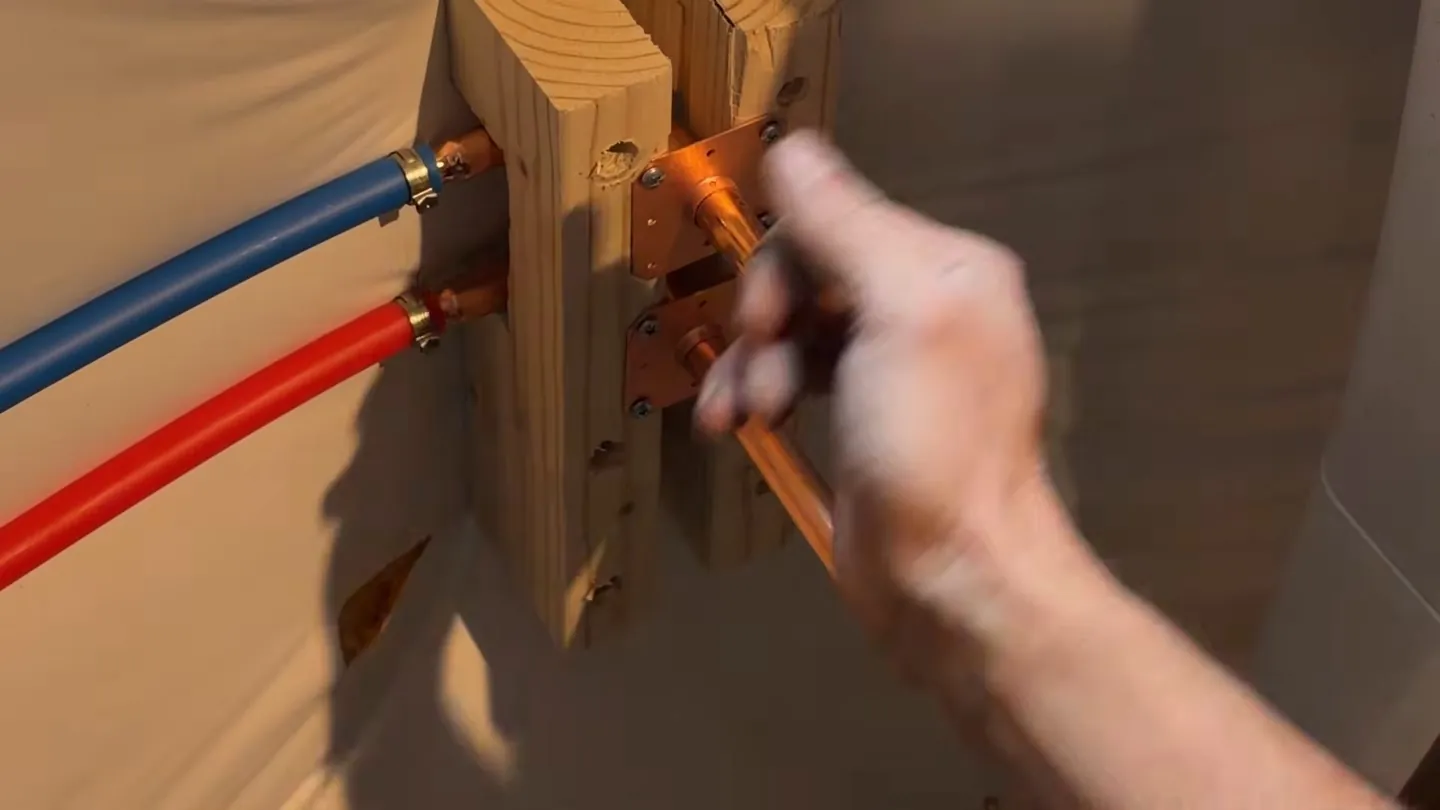
Most repipes today are run in PEX, and the reasons behind that are practical ones.
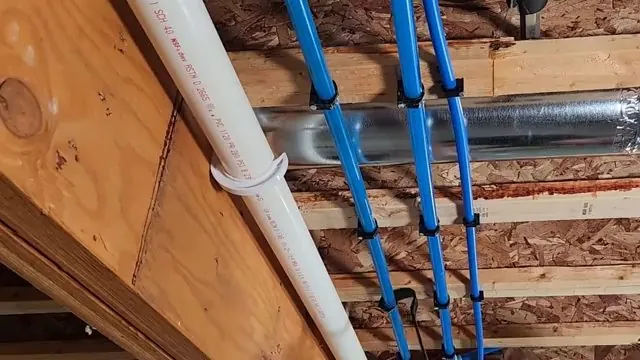
It is flexible, so it can often be routed through existing cavities with fewer openings cut, which directly reduces the drywall work. It has fewer joints across a run, and joints are where supply systems tend to fail. It does not corrode the way metal does.
The trade-offs are real too. It must be protected from direct sunlight, which matters for any exposed run in this climate. It needs correct support spacing. And the fitting system used matters more than the pipe brand does.
Copper remains a legitimate choice and some owners prefer it. The point is that this should be a decision you are walked through, with reasons, rather than a default you are handed.
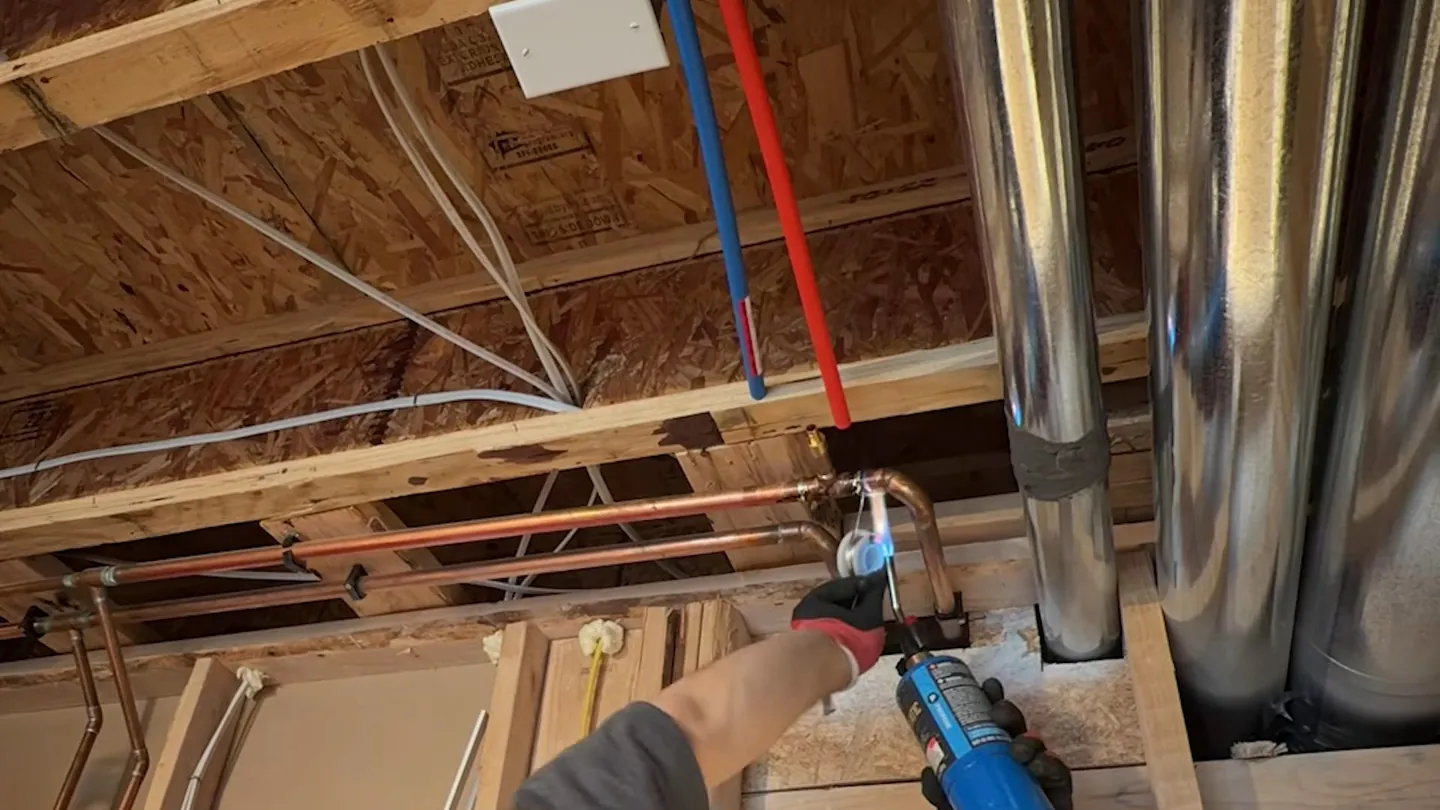
Copper repiping in Lake Havasu City: when copper is still the answer
Copper repiping costs more than PEX and takes longer to install. It is still chosen where an owner wants a metal system, where exposed runs need to be rigid, or where existing copper is being extended.
Whether copper or PEX suits a house is a question of access, budget and preference, not of one being correct. Ask for both options priced on the same scope, so the comparison is real.
Been told you need a repipe and want it checked?
Call (928) 766-1925Living in the house while it happens
Most households stay in place, and knowing the shape of it in advance removes most of the stress.
Water is off for far less time than people expect, because new lines are generally run alongside the old ones and the switch-over is the only part needing a shutoff. Ask for that window as a specific number of hours, on a specific day.
Dust is the real disruption rather than the plumbing. Ask what containment is used, which rooms will be opened on which days, and whether you need to clear cupboards or move furniture before the crew arrives.
If the property is a rental or sits empty seasonally, this is a project that benefits from being scheduled into a vacant window, which is a genuine advantage of a seasonal home.
When a partial repipe is the honest scope
Not every failing system needs all of it replaced, and a contractor willing to say so is telling you something useful.
A single run that has failed repeatedly, a hot water loop in poor condition while the cold side is sound, or one wing of a house added at a different time can all be legitimate partial scopes.
A single failure in an otherwise healthy system is not a repipe at all. That is a section repair, and it belongs on burst and broken pipe repair. If one leak has produced a whole-house quote, ask what else was observed.
Repiping questions people ask before committing
How do I know whether I really need a repipe?
Look for a pattern rather than an incident. Repeated pinhole leaks in the same run, pressure that has fallen across the whole house, discoloured water from several taps, or supply pipe in poor condition at the points already exposed. The age of the house is a reason to inspect, not a finding on its own.
What are the pipes in Lake Havasu City homes usually made of?
That is settled by looking at the pipe, not by the build date. Lake Havasu City was established in 1963, which makes the pre-war galvanized supply common in older cities unlikely here, but unlikely is not ruled out. The reliable answer comes from opening a wall or an access point and looking.
Will my water be off for the whole job?
No, and this surprises people. New lines are usually run alongside the existing ones, so the supply stays live for most of the work. The shutoff is needed for the switch-over. Ask for that window as a specific number of hours on a specific day, and get it before you agree the schedule.
Who repairs the drywall afterwards?
That is the question to settle in writing before day one, because it is where most repipe disputes start. Ask whether patching is included, to what finish it is taken, whether texture is matched, and whether painting is in scope. The answers vary a great deal between contractors.
Why does the cost of two repipe quotes for the same house differ so much?
Usually because they are not for the same scope. The variables are how many access points get cut, whether patching is included and to what finish, whether painting is in scope, and whether fixtures and shutoffs are being replaced at the same time. Compare those line by line before comparing totals.
How do I check out a contractor before a job this size?
For a project of this value it is worth doing properly. Arizona registrations are searchable at azroc.gov and checking one takes a minute. Beyond that, ask for the scope in writing, including the patching finish and the shutoff window. Ask who is on site daily and who to call if something goes wrong. A contractor comfortable with those questions is the one you want.
Is PEX better than copper?
It is usually the practical choice now. It is flexible, so fewer openings get cut, it has fewer joints across a run, and it does not corrode. It does need protection from sunlight and correct support spacing. Copper remains legitimate, and the choice should come with reasons rather than as a default.
Ask what was observed, not what was assumed
A repipe is the largest plumbing project a house gets. Before you agree to one, call and ask what evidence says a section repair will not hold. If the answer is about the age of the house rather than about your pipes, keep asking.