
Leak Detection · Lake Havasu City, AZ
Slab Leak Repair Lake Havasu City: Find It, Then Fix It
A slab leak almost never announces itself. It shows up as a bill, a warm patch, or a sound in a quiet house at night.
Slab leak repair in Lake Havasu City starts with locating the leak, because the repair method depends on where it is.
By the time it is obvious, it has usually been running for a while, which is why confirming it early is worth more than any single repair method.
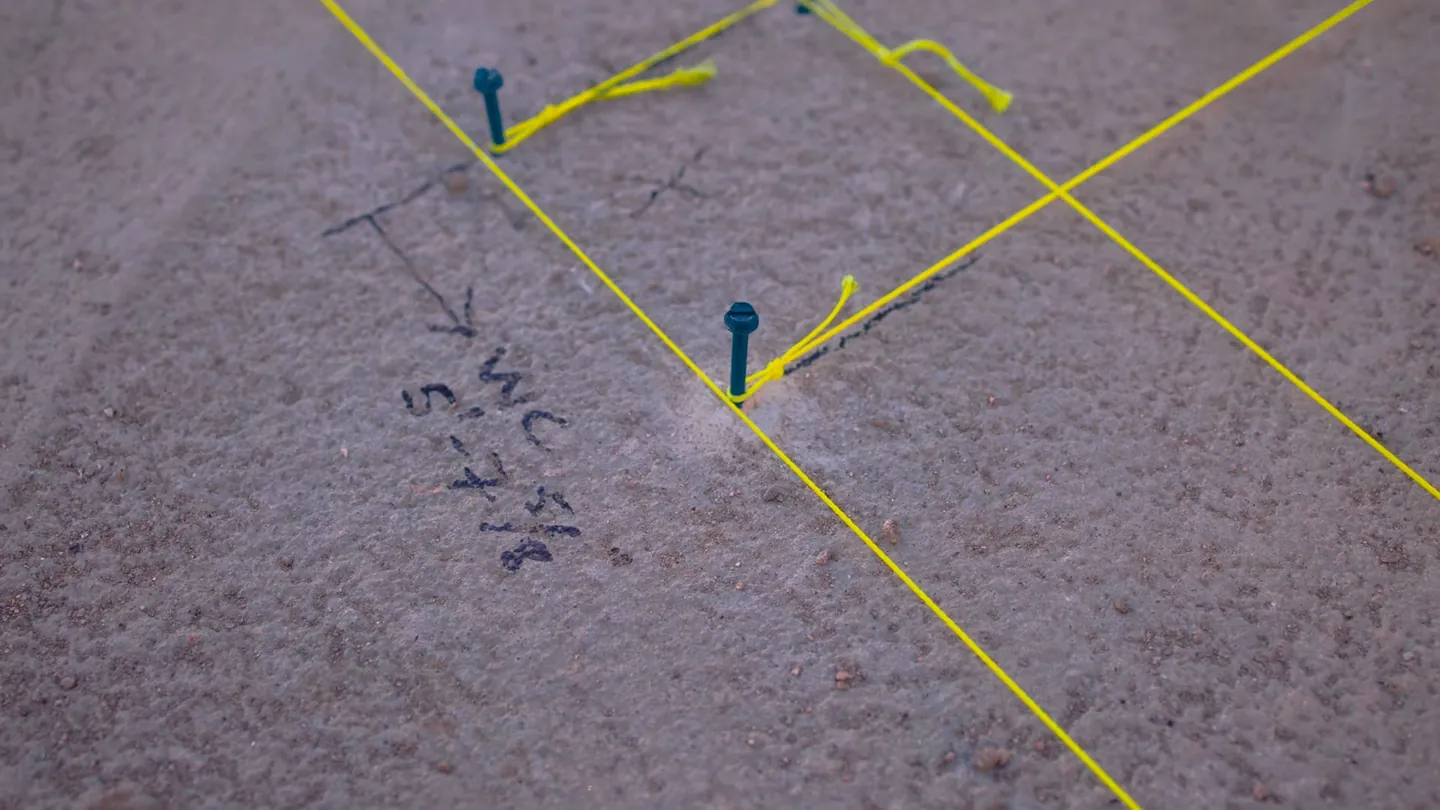
The signs that point under the slab
None of these on its own proves a slab leak. Two or three together usually does.
- A water bill that climbed without any change in how you use water.
- A patch of floor that is warm underfoot, which points to the hot line.
- The sound of running water in a quiet house with everything turned off.
- Hot water that never quite runs out, or a water heater cycling more than it should.
- A damp or discoloured patch at the edge of the floor, often near a wall.
- Cracks appearing in flooring or baseboards where there were none.
Your water heater sits at the slab edge. Is it the heater or the slab?
This is the most common confusion on these calls, and it is worth resolving before anyone opens concrete. In a lot of Havasu homes the water heater sits in the garage, right at the edge of the slab. A puddle there has two very different possible causes.
A heater leak generally appears around the base of the unit, gets worse when the heater runs, and often comes with rust at the fittings or the pan. A slab leak nearby tends to be warm, constant whether the heater is firing or not, and spreads away from the unit rather than pooling under it.
If it turns out to be the appliance, that work is on water heater repair, and the concrete stays shut.
Confirming it at the meter before anything gets opened
Run the standard meter test first. The full method is set out step by step on water leak detection services. What follows is the extra step that separates a leak under the slab from every other kind.
- Complete the standard meter test and confirm the meter is moving with nothing in the house running.
- Now close the main shutoff where the supply enters the building, and leave it closed.
- Watch the meter again for ten minutes.
- If it has stopped, the loss is downstream of that valve, which is where the pipework under your slab sits.
- If it is still moving, the leak is between the meter and the building. That is a service line problem, not a slab one, and it is dug rather than cut.
Meter still moving with everything off?
Call (928) 766-1925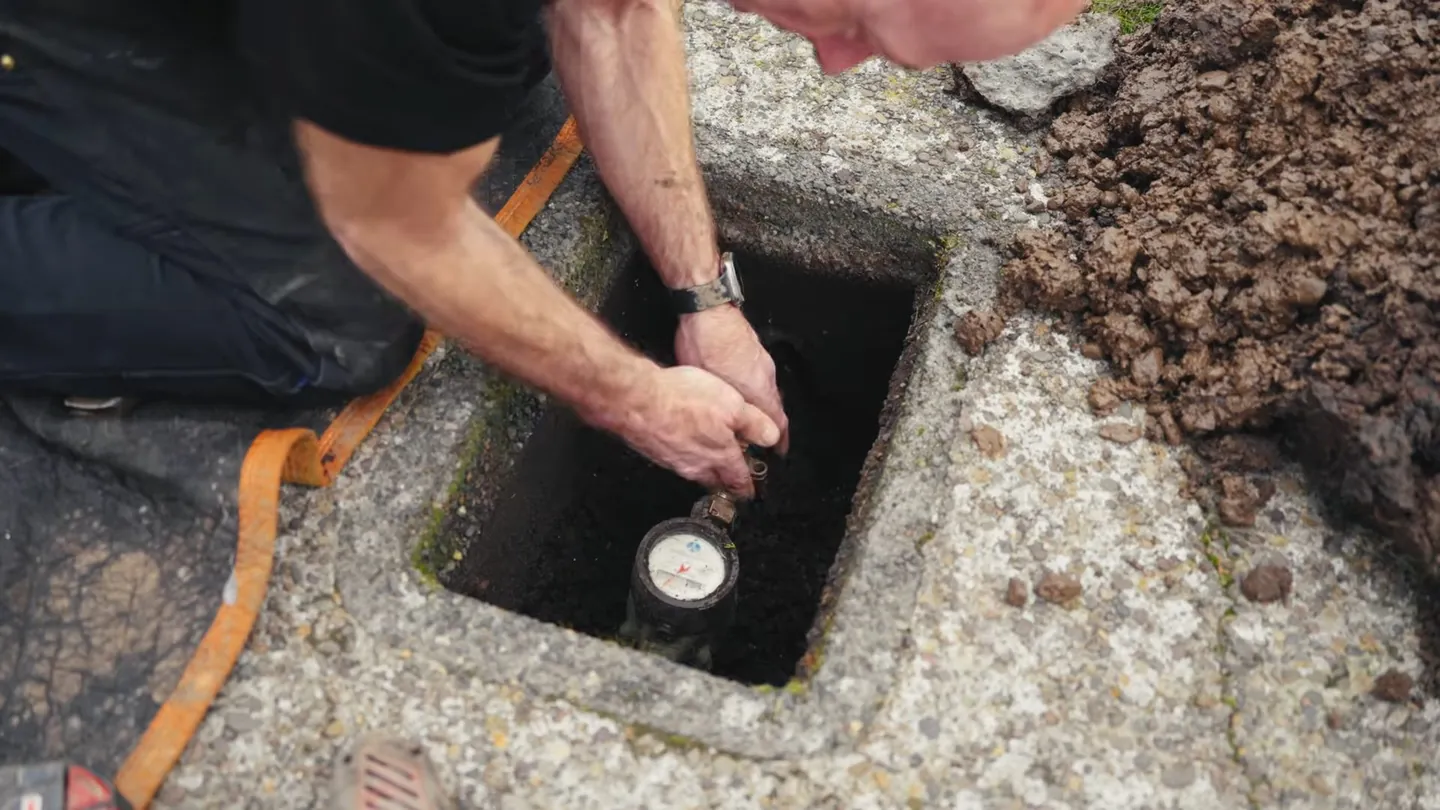
When a slab leak becomes a structural problem
Most slab leaks are a plumbing problem for a long time before they are anything else. The ones that escalate are the ones that run undetected. Water moving under a foundation for months carries fines with it, and undermines the bearing material the slab sits on.
The warning signs are the ones people attribute to a house settling. Doors that stop closing cleanly. New cracks in flooring or at the base of a wall. A floor that has developed a slope. On their own they prove nothing. Alongside a bill thatclimbed and a warm patch, they change the urgency.
If you expect to make an insurance claim, document before anyone repairs anything. Photograph the area, keep the water bills that show the rise, and keep the written detection findings. Policies differ widely on what they cover, so read yours rather than relying on what is typical.
How the leak gets located
Location is a separate step from repair, and it is the step that decides how much concrete gets opened. Acoustic equipment listens for the sound of water escaping under pressure. Thermal imaging finds the temperature difference a hot line makes through the floor. Pressure isolation narrows down which line is losing.
Used together these usually put the leak within a small area. That is the difference between opening a section of floor and opening a room, and it is why the detection work is worth doing properly rather than quickly.
Spot repair, reroute, or repipe
Once the leak is located there are three honest options, and the right one depends on how much the system has already told you.
| Approach | Makes sense when | Trade-off |
|---|---|---|
| Spot repair through the slab | First leak, located precisely, line otherwise sound | Cheapest now; does nothing for the rest of the line |
| Reroute the line overhead | The run is accessible and you want the concrete left alone | Abandons the old line; may be visible in places |
| Trenchless lining of the existing run | The line is intact enough to line rather than replace | No-dig, but not suitable for a collapsed or crushed line |
| Repipe the property | Two or more leaks in a couple of years, or several lines involved | Highest cost now, and it ends the cycle |
Slab leaks in Lake Havasu City: ground and home age
Slab leak talk often turns to soil chemistry, caliche or shifting ground. This page does not blame the ground. A slab leak is found by method, and its cause is confirmed once the line is located.
Lake Havasu City was established in 1963 and incorporated in 1978, so its homes are newer than the pre-war housing in many older American cities. A newer home can still leak under a slab, so age is a reason to look, not a finding.
If your home has a post-tension slab, it must be scanned before any concrete is cut. The cables are under load, and cutting one is a structural problem rather than a plumbing one.
On method rather than ground conditions: the no-dig approach itself, including pipe lining and how it compares with opening a trench, is covered on trenchless pipe lining and relining.
Slab leak questions
How do I know if the leak is under my slab and not somewhere else?
Run the meter test. Shut off every fixture and appliance, note the meter, wait fifteen minutes and check again. Movement means water is leaving the system. Then close the main at the house and repeat: if it still moves, the leak is between the meter and the house rather than under the slab.
My water heater sits at the slab edge and there is water. Is that a slab leak?
It could be either, and they separate fairly cleanly. A heater leak appears around the base, worsens when the unit runs, and often brings rust at the fittings. A slab leak nearby tends to feel warm, runs constantly whether the heater is firing or not, and spreads away from the unit rather than pooling under it.
Can the line be rerouted instead of breaking the floor?
Often, yes. If the run is accessible, abandoning the line under the slab and routing a new one overhead avoids opening concrete altogether. It suits homes where the floor is the expensive part. The trade-off is that the new run may be visible in a garage or a closet, and it does not address other lines still under the slab.
What does slab leak detection and repair cost?
The cost page carries a range for detection with spot repair. The biggest variables are how long location takes, how deep the line runs, and whether the answer ends up being concrete or an overhead reroute. Detection is quoted up front, so you choose the repair with a real number in front of you.
Who is liable if the detection is wrong and the floor gets opened anyway?
Worth settling before anyone starts. Ask what happens if the leak is not where the detection said. Ask who pays for the second opening, and how tight an area the location work should narrow it to. Check that the contractor is registered with the Arizona Registrarof Contractors. A clear answer before the first cut is the point.
What are the signs of a slab leak?
The common ones are a warm spot on the floor, the sound of running water with everything off, a meter that keeps turning and a bill that climbs for no clear reason. Damp flooring is another. A meter test is the first step to confirm it.
Do I need a plumber for a slab leak?
Yes, because a slab leak cannot be confirmed or located without equipment. The meter test you can do yourself. After that the location decides the repair, and finding it takes detection tools.
Need a plumber for a slab leak?
Run the meter test, then call with the result. Knowing whether the meter moved with the main closed changes where the search starts and how much floor has to come up.