
Sewer & Mains · Lake Havasu City, AZ
Sewer Repair Lake Havasu City AZ: Camera Inspection First
One slow drain is a fixture problem. Several fixtures going wrong together, starting with the lowest one in the house, is a different thing entirely.
Sewer repair in Lake Havasu City, AZ works best when a camera inspection shows the problem before anyone digs.
Telling those two apart on the phone saves you the cost of the wrong visit, so it is the first thing worth establishing.
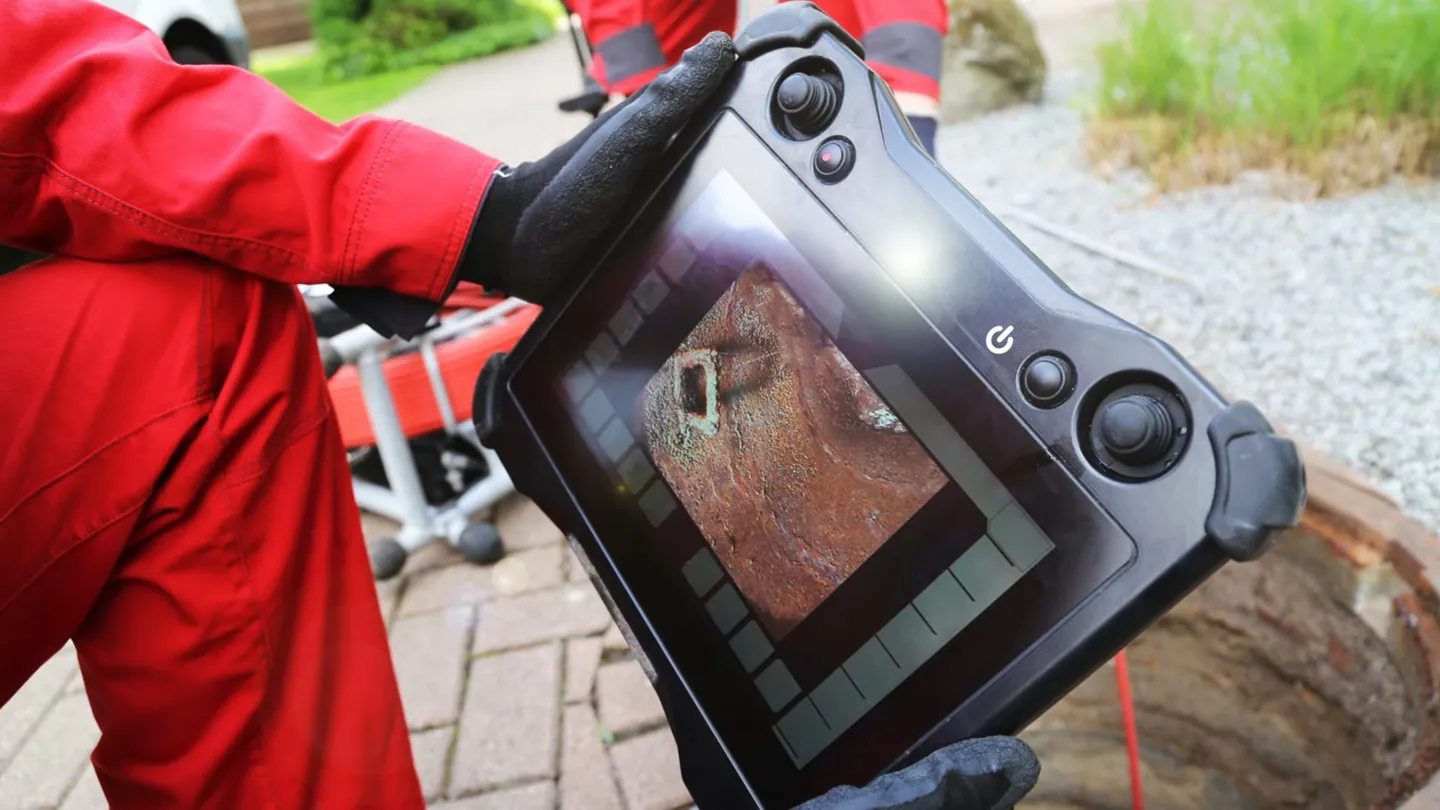
One slow drain against a sewer problem
A blocked fixture affects that fixture. The sink backs up, the sink gets cleared, and the shower next to it never noticed.
A main line problem affects the house in a particular order. Water takes the lowest available exit, so the first signs appear at the lowest fixture, usually a ground floor shower or a floor drain in the garage. Flushing a toilet makes a shower gurgle. Running the washing machine brings water up somewhere else.
If the pattern moves between fixtures, the pipe they share is the suspect. That is the main line, and it is worth saying so when you call, because it changes what gets brought to the job.
Signs you need sewer line repair in Lake Havasu City, not a fixture fix
Two or more of these together makes a fixture-only cause unlikely.
- More than one fixture draining slowly at the same time, with no shared trap between them
- A toilet flush causing a gurgle or a rise in a nearby shower or tub
- The lowest drain in the house backing up first, every time
- Water appearing at a garage or patio floor drain when a large volume goes down anywhere
- A smell outdoors near the cleanout, or a soft or sunken patch in the line of the run
- A blockage that returns within weeks of being cleared, in the same place
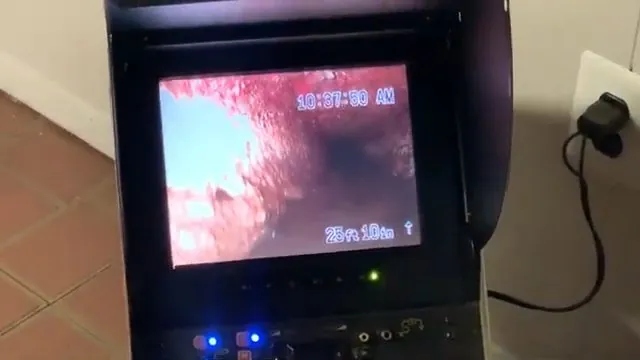
The camera comes before the quote
A sewer line is not visible, which makes it the easiest part of a plumbing system to be wrong about in an expensive direction.
A camera run puts the inside of the pipe on a screen. It shows whether you are looking at a blockage, a root intrusion, a crack, a separated joint, a belly holding water, or a line that has collapsed. Those have very different repairs and very different costs.
It also gives you distance. The camera counts footage from the access point, so the problem gets located to a measured spot rather than a general area. That decides whether the excavation is three feet of ground or thirty.
Ask to watch the screen while it runs, and ask for a copy of the footage. Both are reasonable requests, and a reluctance to meet either one tells you something useful.
Sewer line replacement in Lake Havasu City, and the repair options short of it
| Approach | When it applies | What to ask |
|---|---|---|
| Clearing and cabling | A blockage in a pipe that is otherwise sound | Does the camera show the pipe wall is intact |
| Spot repair | One defect at a located point, rest of the line in good condition | How was the location measured |
| Lateral replacement | Multiple defects, a long belly, or a collapse | Why a spot repair will not hold |
| Trenchless methods | Suitable pipe condition and access, less surface disruption | Is the existing pipe sound enough to host it |
The question under all four is the same: what did the camera show that rules out the cheaper option. If that question does not get a specific answer, the quote is not ready.
Sewer line replacement is the last option on that list, not the first. It is chosen when the camera shows a line that cannot be repaired in sections, such as widespread cracking or a collapse.
Waste water coming back up into the house?
Call (928) 766-1925Who is responsible for the lateral
In most municipal systems the property owner is responsible for the service lateral running from the building to the connection point, and the utility is responsible for the main. Where exactly that boundary falls, and who owns the cleanout, varies by city and sometimes by street.
We are not going to state the dividing line for Lake Havasu City here, and the reason is specific. The city's own water and sewer page contains an apparent copy error in its service lateral section, naming a different city as the provider, which contradicts the rest of the page. It is not a sound basis for telling you what you are liable for.
So confirm it directly before any excavation is agreed. Lake Havasu City can tell you. Call 928-453-4148 and ask for extension 7007, and they will point you to the division that holds the record. Ask where your responsibility ends and get it in writing if money is about to be spent either side of that point.
A contractor who tells you confidently that the whole run is yours, without reference to a city record, has not checked.
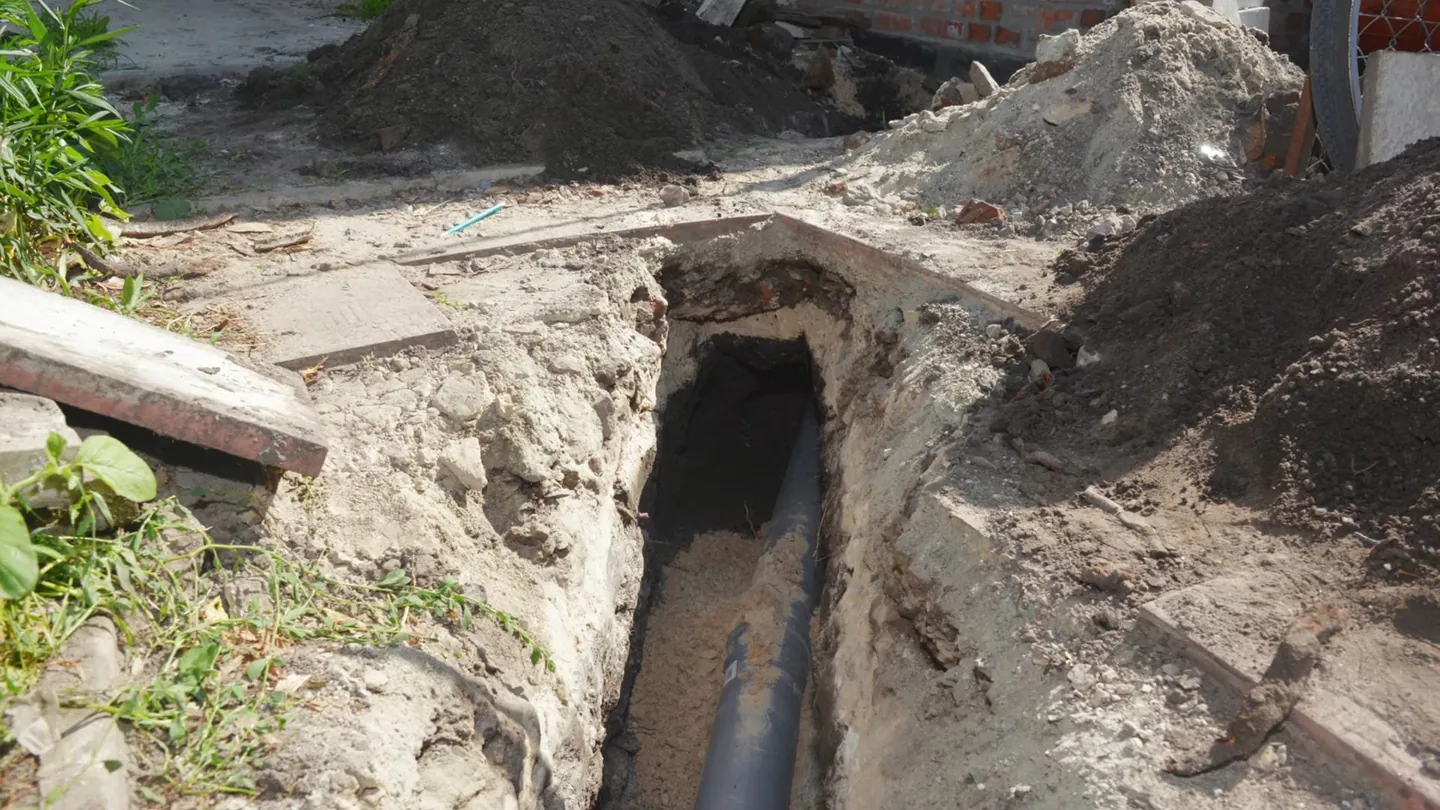
Bellied lines, and why the blockage keeps coming back
A belly is a section of pipe that has lost its fall and now sits low, so waste water stops moving and stands in it. The pipe is not blocked. It is level, which has much the same effect.
This is the usual explanation for a line that gets cleared, works for a few weeks and blocks again in the same place. The cable pushes the standing debris through and the slope that caused it is still there, so it fills up again.
If that is your pattern, repeat clearing is a subscription rather than a repair. The camera will show standing water sitting in the run, which is the thing to ask to see, because correcting a belly means re-laying that section to the right fall.
Sewer cleaning in Lake Havasu City: rooter work and what comes after
Sewer cleaning means clearing the main line between the house and the connection. A rooter machine cuts through roots and soft blockages from a cleanout. It is the usual first step when a main line backs up.
Cleaning answers the blockage, not the reason for it. A camera run afterwards shows whether the line is cracked, offset or bellied. If it is, cleaning buys time and the repair options above decide what happens next. If the line is sound, a clean may be all that is needed.
Commercial and multi-unit sewer lines
Larger buildings fail in the same ways and matter faster, because a restaurant or a clinic with a backed-up main is usually not trading.
Two things differ. Volume and grease loading mean commercial kitchen laterals foul far more quickly than residential ones, so a scheduled camera interval is genuinely preventive rather than an upsell. And in a multi-unit building the shared lateral means one tenant's blockage becomes everybody's, which makes it worth knowing in advance who is responsible for what.
For a commercial call, the first question to settle is which parts of the premises can keep operating during the work. Raise it on the first call.
What people ask before a sewer repair
How do I know whether it is my sewer line or just a clog?
Watch the pattern. A single fixture affected on its own is usually a clog at that fixture. Several fixtures going wrong together, with the lowest drain in the house backing up first, points at the pipe they all share. If a toilet flush makes a nearby shower gurgle, treat it as a main line question.
Do I really need a camera inspection before a quote?
For anything beyond a straightforward clearing, yes. A sewer line cannot be seen, and the difference between a blockage, a crack, a belly and a collapse is the difference between a small bill and a large one. The camera also measures where the problem is, which decides how much ground gets opened.
Am I responsible for the sewer lateral or is the city?
In most municipal systems the owner is responsible for the lateral and the utility for the main, but the exact boundary varies. We are not stating it for Lake Havasu City here, because the city's own water and sewer page has an apparent copy error in that section. Confirm it with the city before any excavation is agreed. The number to ask on is 928-453-4148, extension 7007.
Why does my main line block again a few weeks after clearing?
That pattern usually means the pipe has lost its fall somewhere and waste water is standing in a low section, which is called a belly. Clearing pushes the debris through but the slope is unchanged, so it fills again. Ask to see standing water in the camera footage. Fixing it means re-laying that section.
Can a sewer line be repaired without digging up the yard?
Sometimes. Trenchless methods can work where the existing pipe is in suitable condition and there is access at both ends, and they disturb far less of the surface. Whether yours qualifies is a question the camera answers, not something that can be promised beforehand.
Is a sewer scope inspection worth it?
A sewer scope is a camera run through the main line. It shows cracks, offsets, roots and bellies that a look around the house cannot. It is most useful for older homes and for lines with a history of backups. Ask for the recording, not just the summary.
Who do I call for a sewer backup?
Call a plumber who can run a camera, since the aim is to find the cause and not just clear the line. If sewage is coming up in tubs or floor drains, stop using water in the house until the line is cleared.
Why does my house smell like sewage?
A sewage smell has several sources: a dry trap in a rarely used drain, a failed wax ring, a broken vent or a damaged sewer line. Running water down the drain for a minute refills a dry trap. A smell that persists, or comes with slow drains, points to the line and deserves a camera look.
Need a plumber for a sewer backup?
A sewer quote given without a camera run is a guess with a number attached. Call, describe which fixtures are affected and in what order, and ask to see the inside of the line before you agree to anything being dug up.